

Symposium 2026
Participants
Guest Speakers
-
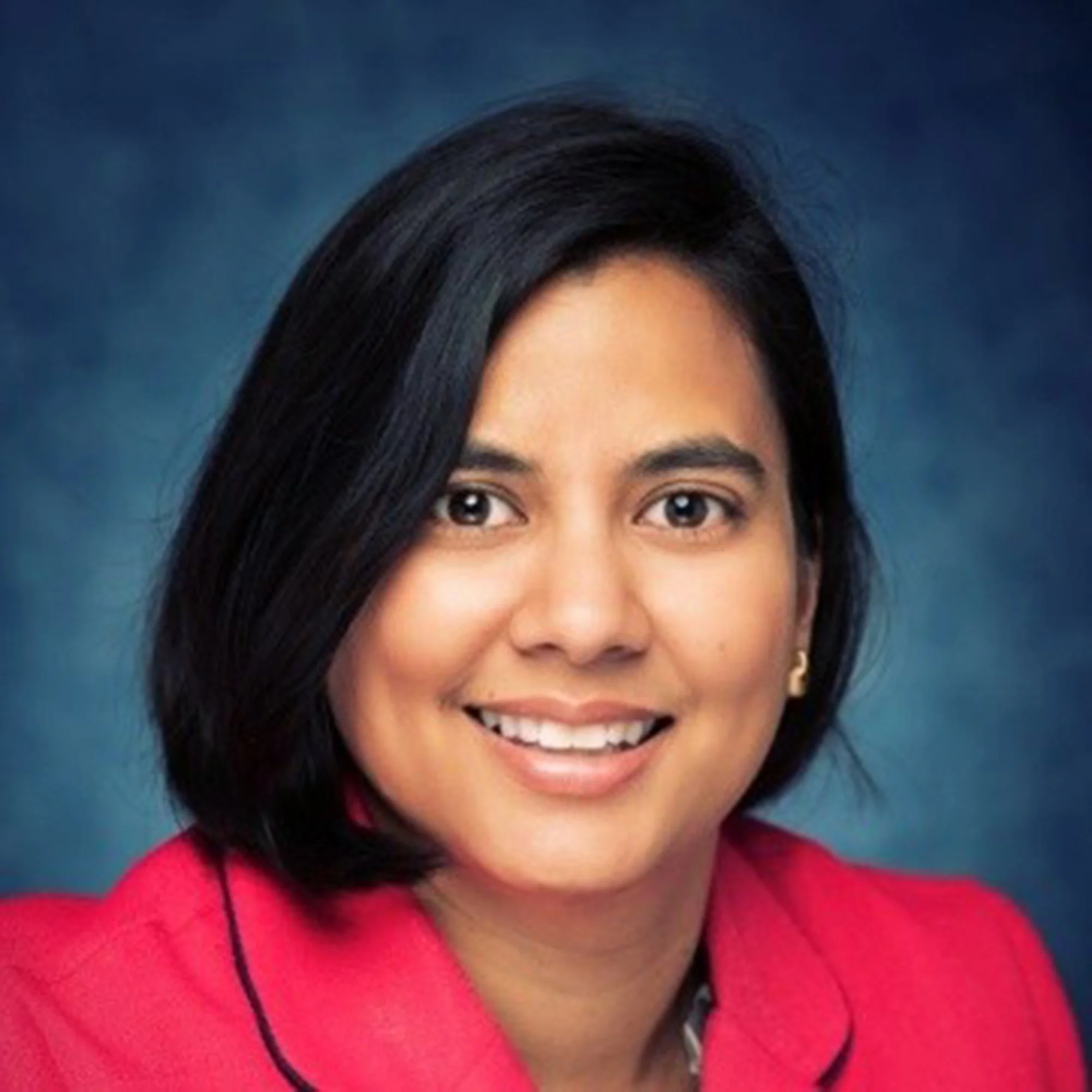
Anjuli Jain Figueroa
University of Michigan
Dr. Jain Figueroa serves as the Assistant Vice Provost and Director of Strategic Initiatives for Sustainability and Climate Action at the University of Michigan. In this role, she leads cross-cutting internal and external efforts to advance the University’s priorities on sustainability, climate action, and environmental justice, and serves in a key role in developing and implementing strategic plans.
Dr. Jain Figueroa brings a versatile background from the public, private and non-profit sectors, driven by a deep interest in finding balance between our built and natural environments. Prior to joining U of M, she worked in the federal civil service in the U.S. Department of Energy as Chief of Analysis in the Office of Energy Justice and Equity. Her diverse experiences include water resources engineering for design and post-disaster recovery at Arcadis; geospatial data analysis for public good at Green Info Network; and research on the food-water-energy nexus as a post-doc at Stanford.
Dr. Jain Figueroa holds expertise in natural resource management, environmental policy, AI and data science. She earned her B.S. in Civil and Environmental Engineering from University of Michigan, and an MSc. in Technology and Policy and a Ph.D. in Civil and Environmental Engineering from M.I.T.
-
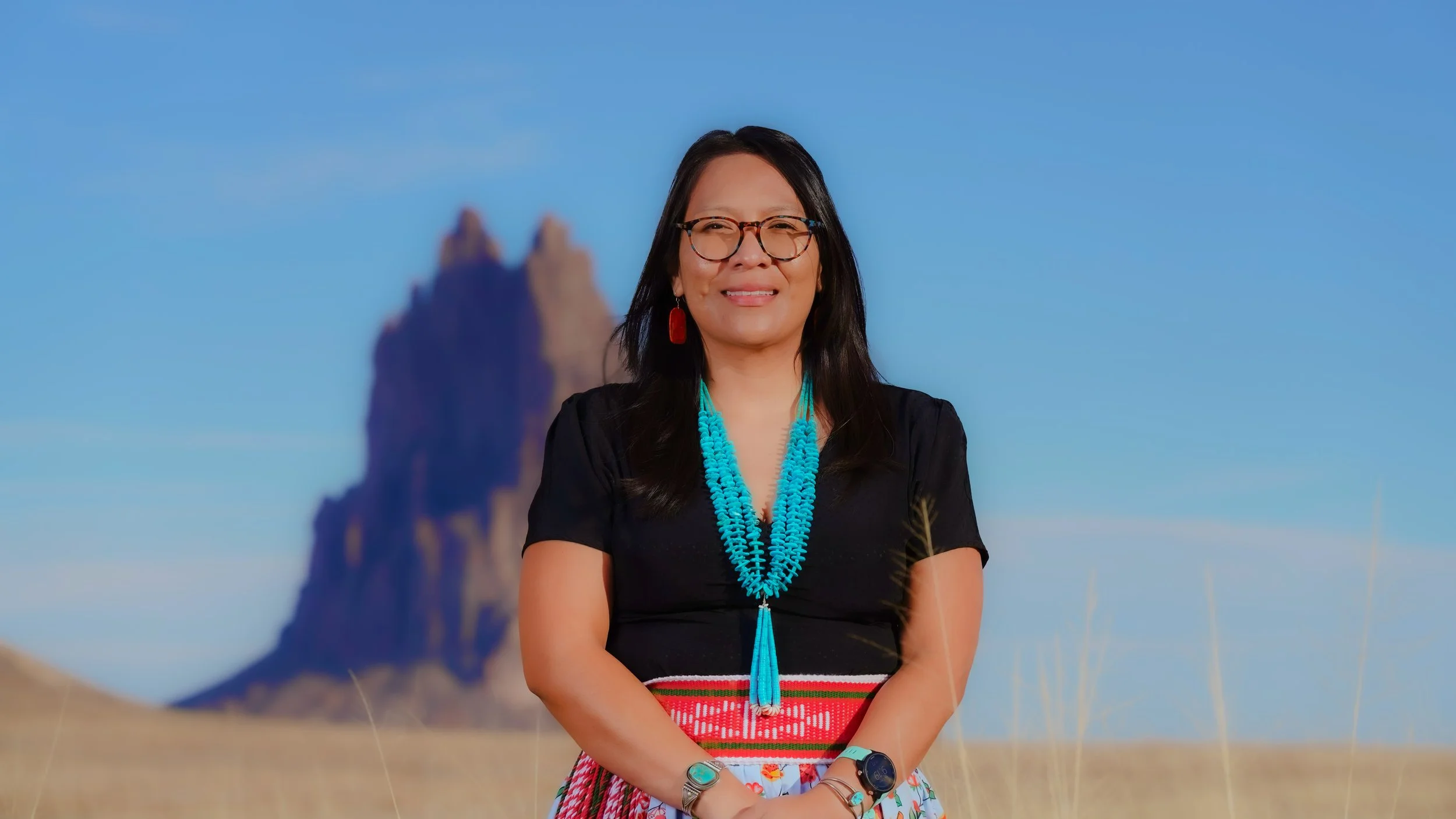
Breanna (Bree) Lameman
Diné Nation; University of Arizona
Breanna (Bree) Lameman is Diné from Shiprock, Diné Nation. She is a third-year PhD student at the University of Arizona in the health behaviors health promotion program with a focus in Indigenous food, energy, and water system (FEWS). Her current focus and heart work are in Indigenous food sovereignty, health, and data sovereignty/governance. She is committed to community-led research that uplifts Indigenous knowledge and food systems.
-
Byambabaatar Ichinkhorloo
National University of Mongolia
Byambabaatar Ichinkhorloo (PhD) is Associate Professor of Anthropology and Director of the Centre for Development Studies at the National University of Mongolia. He received his PhD in Anthropology in 2019, following interdisciplinary training in Mongolian studies, linguistics, ecology, and environmental governance. Since the 1990s, his research has examined socio-economic transformations in Mongolia, with particular focus on pastoral livelihoods, development policy, mining, and ecological political economy, grounded in long-term ethnographic fieldwork across eastern, western, and southern Mongolia.
He has held visiting appointments at the University of Cambridge (MIASU), the University of Colorado Boulder, the University of Porto, University College London, and the University of Zurich, where he served as Senior Lecturer (2019–2021). He has also worked with international organizations including UNDP, the World Bank, and the Swiss Agency for Development and Cooperation, and served as Director of the International Institute for the Study of Nomadic Civilizations under the auspicious of UNESCO, 2021–2023. His research engages political ecology, development anthropology, and pastoralism, with current interests in the political economy of pastoralism, urban anthropology, and nomadic civilization. -
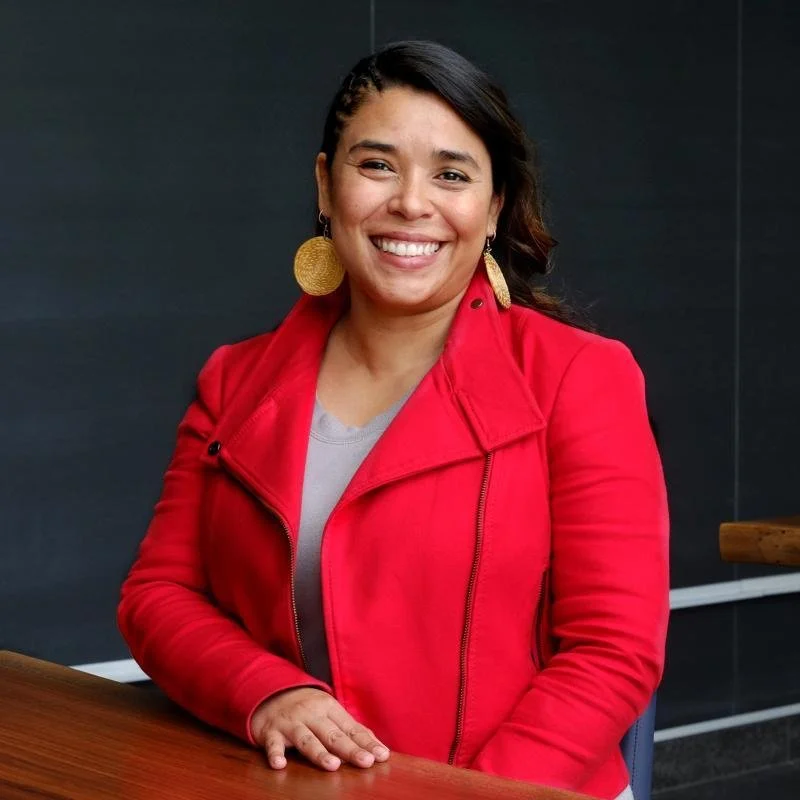
Cecilia Del Cid
GreenRoots
Ceci grew up in Guatemala and has a Bachelor of Arts in Biological Sciences & Latin American Studies from Smith College and a Master of Forestry from the Yale School of Forestry & Environmental Studies.
Ceci has researched topics such as conservation genetics, forest and land governance, environmental justice, and gender equality issues related to the distribution and access to natural resources in Latin America and the United States. Additionally, she has led initiatives to increase capacity building and technology transfers tailored to local communities in human-impacted/modified landscapes.
Over the years, she has sharpened her ability to apply a social and environmental justice lens to create sustainability and environmental programming, communication tools, and inclusive and equitable strategies. As a result, she’s more effective in envisioning a thriving world that does not exist, but that can be co-created with and for the wellbeing of the community. -

Eliane Lakam
Taproot Earth
Eliane is the Global Policy and Partnerships Specialist at Taproot Earth, where she combines her lived expertise and policy skills to advance Global Climate Reparations.
Before joining Taproot Earth, her previous work spanned a range of interconnected ecological issues, including environmental policy, housing policy, and peace and security. She has organized with various communities, both domestically and internationally, where she leveraged her skills to drive forward context-specific solutions that center the leadership of frontline communities.
She’s a proud Georgetown Hoya and completed her graduate studies at Harvard University. In her spare time, she ambitiously aims to learn Brazilian Portuguese. -
Elisa Guerrero
Stone Living Lab at UMass Boston
Elisa Guerrero is the Community Engagement Manager for Stone Living Lab and the Sustainable Solutions Lab at UMass Boston, where she helps build partnerships and ensure meaningful community participation in both labs' initiatives. Elisa is an urban planner and has experience in municipal and regional climate action planning, state-level resilience frameworks, and equitable community engagement. She focuses her work on bringing community members' priorities and expertise into resilience projects for more equitable climate outcomes. She received her BS in Community and Environmental Sociology from the University of Wisconsin Madison and her MA in Urban and Environmental Policy and Planning from Tufts University.
-
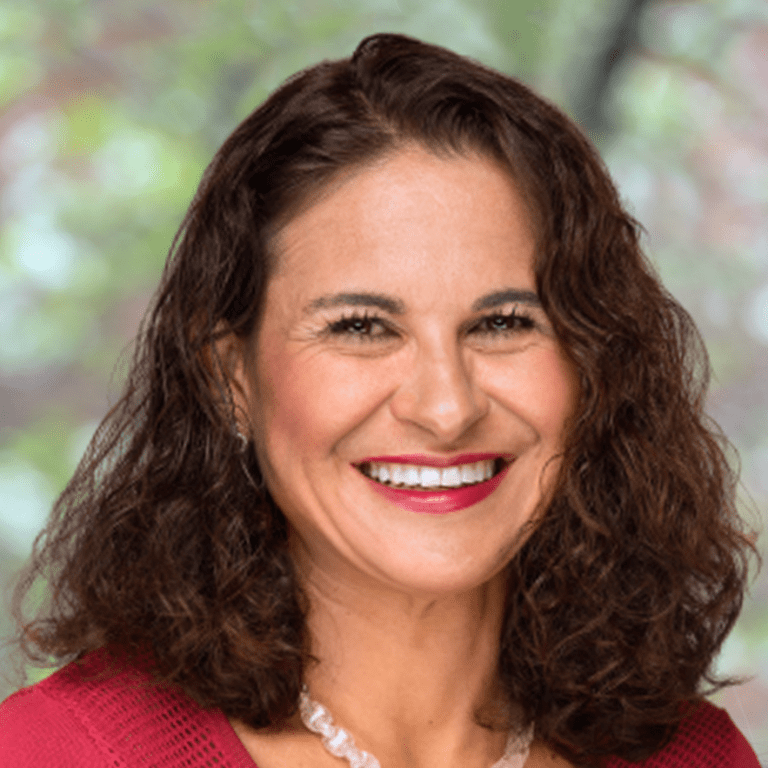
Francesca Dominici
Harvard Data Science Initiative
Dr. Francesca Dominici is the Clarence James Gamble Professor of Biostatistics, Population, and Data Science at the Harvard T.H. Chan School of Public Health and Director of the Harvard Data Science Initiative at Harvard University. She is an elected member of the National Academy of Medicine and the International Society of Mathematical Statistics. In 2024, she was named by TIME100 Health as one of the most influential scientists in global health in the world. Before being appointed founding Director of the Harvard Data Science Initiative, she was Senior Associate Dean for Research at the Harvard TH Chan School of Public Health. Dr. Dominici is also the founder and Principal Investigator (PI) for the National Studies on Air Pollution and Health Group (NSAPH), a multi-disciplinary group of faculty post-doctoral fellows from several academic institutions that rely on harmonized data assets to advance research on climate and AI. She is also one of the Principal Investigators of the only national research coordinating center on climate and health funded by the National Institute of Health.
-
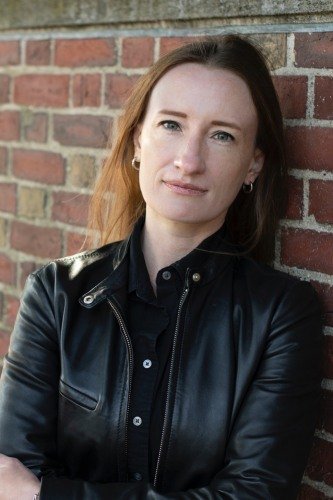
Ieva Jusionyte
Brown University
Ieva Jusionyte is the Watson Family University Professor of International Security and Anthropology and Director of the Center for Human Rights and Humanitarian Studies at Brown University. A legal and medical anthropologist, she is the author of three books, including multiple award-winning ethnographies Threshold: Emergency Responders on the US-Mexico Border (2018) and Exit Wounds: How America’s Guns Fuel Violence Across the Border (2024). Her research has been supported by the National Science Foundation and fellowships from the Harvard Radcliffe Institute, the Fulbright Program and the Rockefeller Foundation, among others. In addition to academic publications, Jusionyte has written about her research for The Atlantic, the Los Angeles Times, The Boston Globe, The Guardian, and Rolling Stone, among others, and discussed it broadly in the media, including on BBC, CNN and NPR. She is a member of the Advisory Committee of Global Action on Gun Violence and the Research Network to Prevent Gun Violence in the Americas, and the editor of the California Series in Public Anthropology.
-
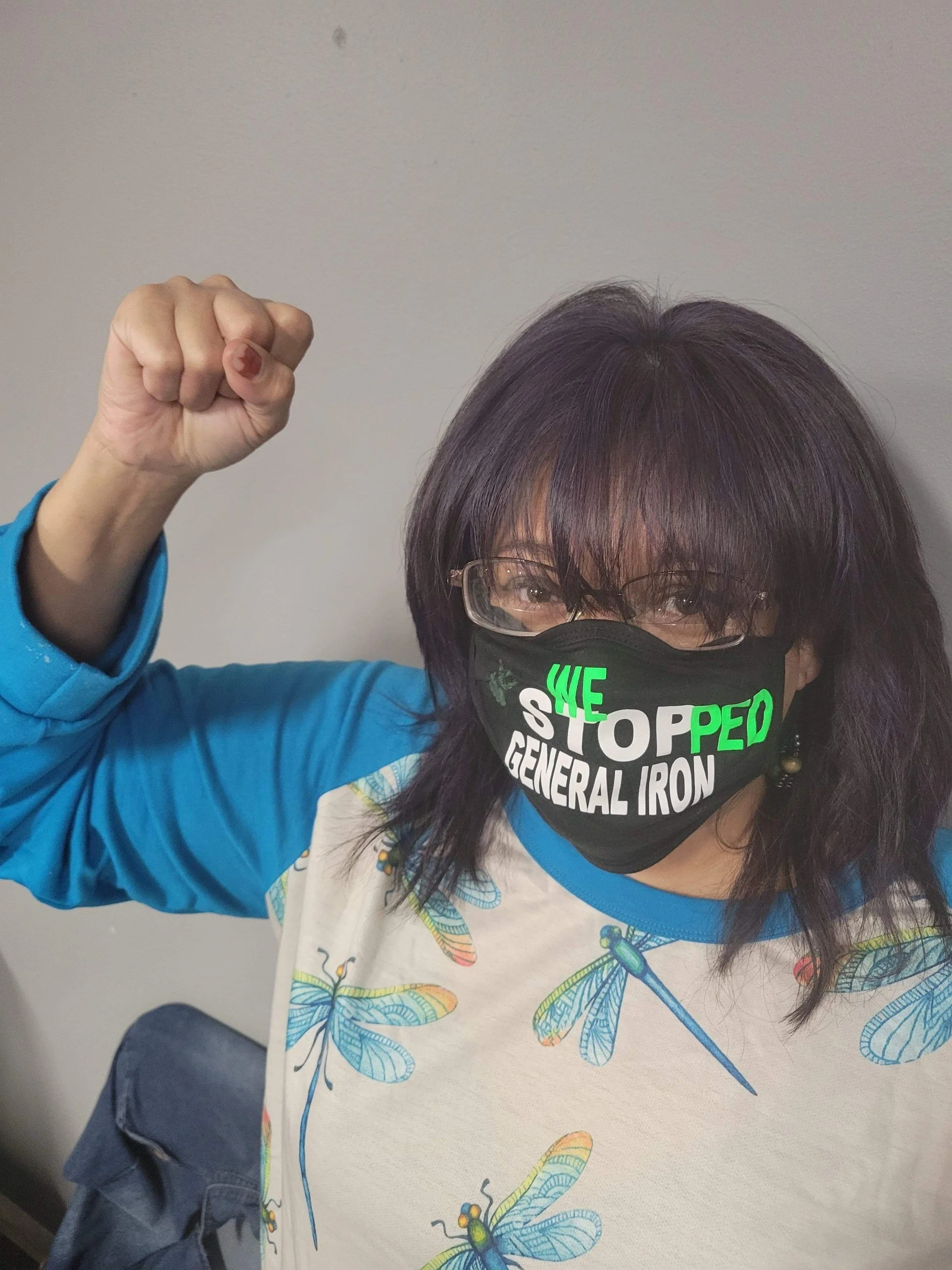
Jade Mazon
Rebel Bells Collective
Jade Mazon is a lifelong resident of Southeast Chicago. She is an environmental justice leader, a mother, and a co-founder of the Rebel Bells Collective, a social justice organization for young girls of color. The intention is to home-grow activists and guide 7-17 year-olds to discover their worth and power. As part of her leadership with Rebel Bells, in 2020, Jade joined a hunger strike led by community activists in opposition to community exclusion from the City of Chicago’s permitting process for an industrial auto demolition and shredding operation. Jade has a Bachelor’s Degree in Anthropology from Loyola University Chicago.
-

Jason Cody Capello
Center for Coalfield Justice
Jason Capello is a community advocate at CCJ. Jason has just recently moved back into the area, having left to teach in his hometown of Lebanon, Pa for the last 7 years. Jason has a Master’s Degree in Secondary Education: Science from Gwynedd Mercy University and a Bachelor’s in Environmental Studies from California University of Pa. No stranger to the field: Jason has worked for The Department of the Interior on the National Wildlife Refuge System, conducted/published research on environmental remediation, worked with local municipalities developing MS4 plans, monitoring protocols for pollutants and running educational outreach programs. Jason is excited to work in the community advocating for the people and habitats he now calls home.
-
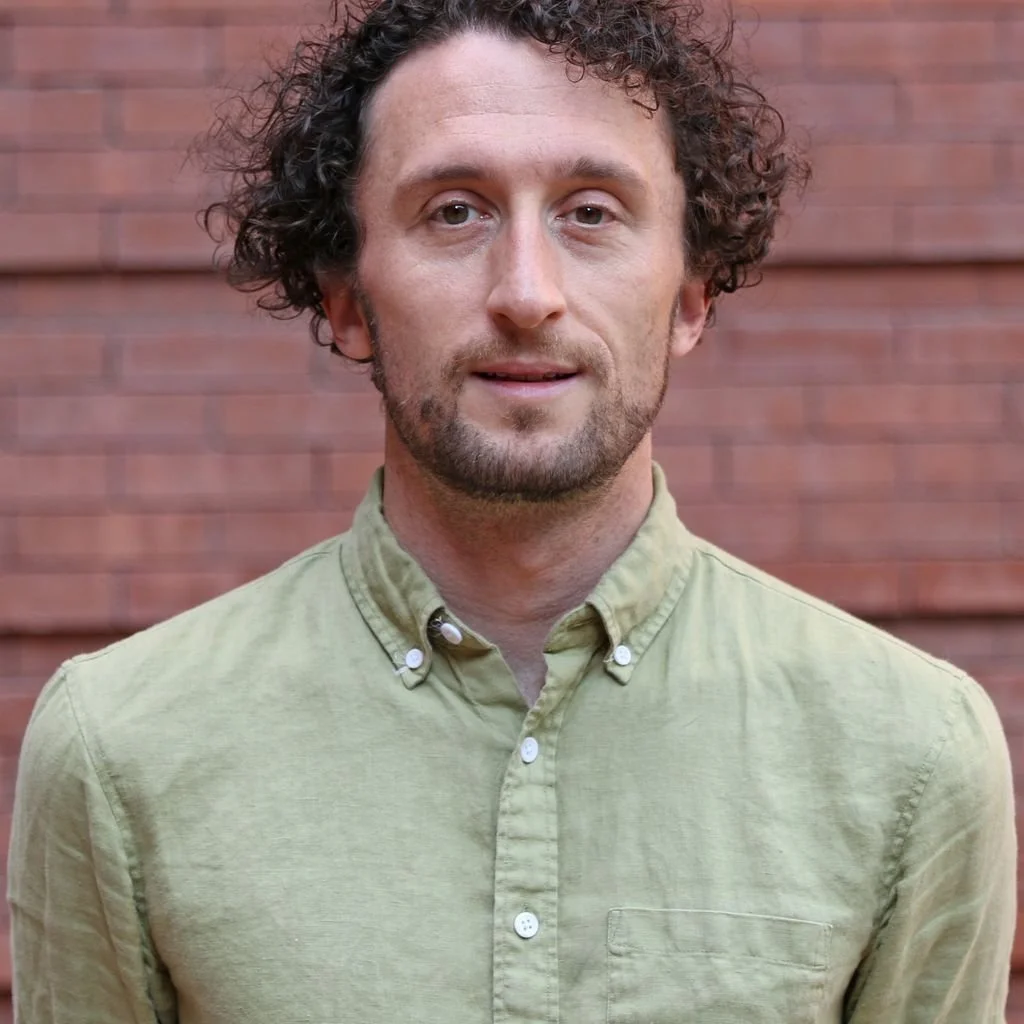
Jonathan Buonocore
Boston University School of Public Health
My research interests are in evaluating the impacts, benefits, and tradeoffs of technology and policy choices in energy, transportation, agricultural practices, and climate change mitigation and adaptation. To assist in these evaluations, I develop tools that incorporate environmental risk assessment, life cycle assessment, and environmental economics with the goal of placing health, climate, environmental, and other outcomes into a framework to aid decision-making.
-

Kurt Russo
Se’Si’Le
Kurt Russo is the executive director of Se’Si’Le, an Indigenous-led nonprofit dedicated to the perpetuation and practical application of Indigenous ancestral knowledge. Kurt has worked with Indigenous communities since 1978 in the areas of sacred site protection, Indigenous treaty rights, environmental cross-cultural conflict resolution, and the intertextualization of ways of knowing nature. He was co-Founder and Executive Director of the Florence R. Kluckhohn Center for the Study of Values and the Native American Land Conservancy, helped establish the International Indigenous Exchange Program (Northwest Indian College), the Sacred Lands Conservancy, and the Foundation for Indigenous Medicine. He has a BS in Forestry from the University of Montana, an MS in Forestry from the University of Washington, and a Ph.D. in History from the University of California (Riverside). He is a combat veteran and served in Viet Nam where he worked with Montagnard Indigenous communities.
-
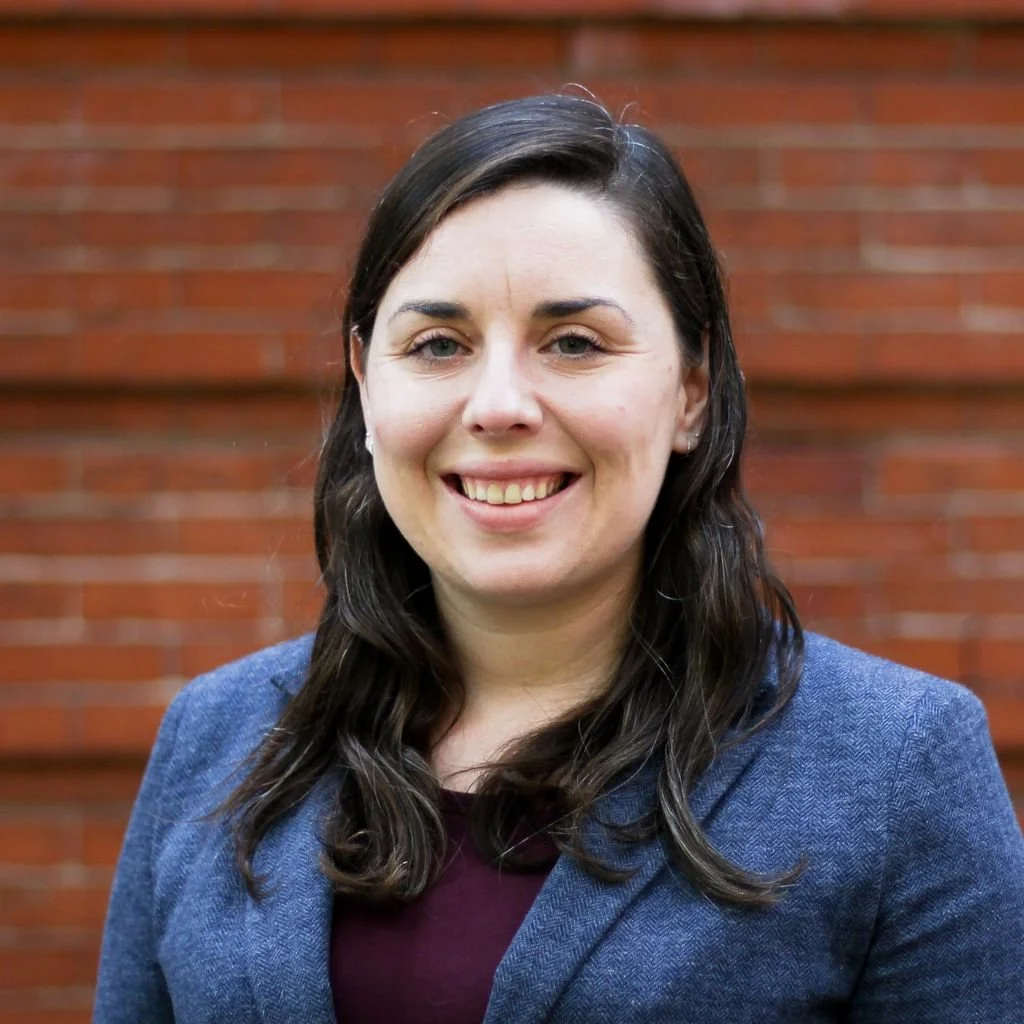
Mary Willis
Boston University School of Public Health
Mary D. Willis, Ph.D., M.P.H., is an Assistant Professor in the Department of Epidemiology at the Boston University School of Public Health. Her expertise lies at the intersection of environmental epidemiology, spatial exposure assessment, and applied data science. Much of her work also leverages econometric-based causal inference methods. She is particularly interested in how epidemiological studies can be best designed to inform health-protective policy decisions. To date, Dr. Willis has primarily focused on how on exposures from the energy sector (e.g., oil and gas development, traffic-related air pollution) and other aspects of the built environment (e.g., green space, neighborhood disadvantage) influence reproductive health outcomes.
Dr. Willis is PI of an NIH Director’s Early Independence Award that examines how oil and gas development may impact fertility and pregnancy. She is also a co-investigator on an accountability study of vehicle emission regulations and birth outcomes that is funded by the Health Effects Institute. -
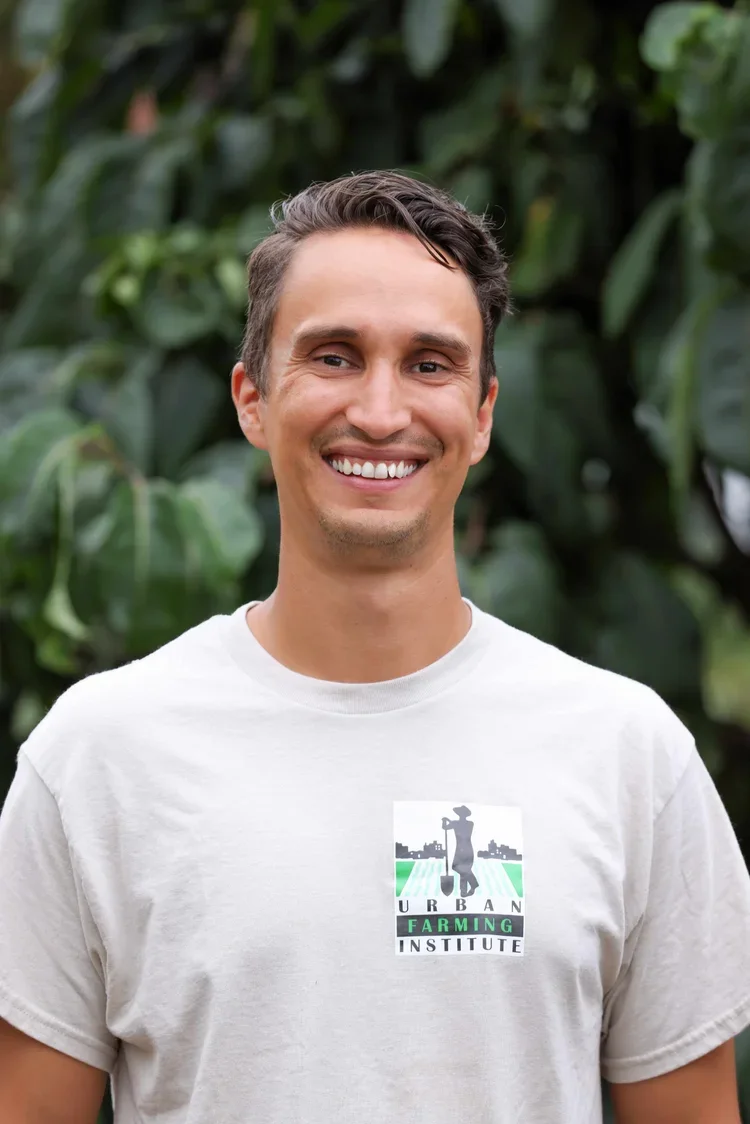
Matthew Ellison
Urban Farming Institute
Matt Ellison (he/him) is the Assistant Farm Manager at the Urban Farming Institute (UFI) of Boston. Prior to joining UFI, he studied food and agriculture law and policy, and he is passionate about supporting local food systems and the policies and practices that help local farmers thrive. During his time at UFI, Matt has worked to grow our farm stand to provide our community with healthy, locally grown food in the community.
-
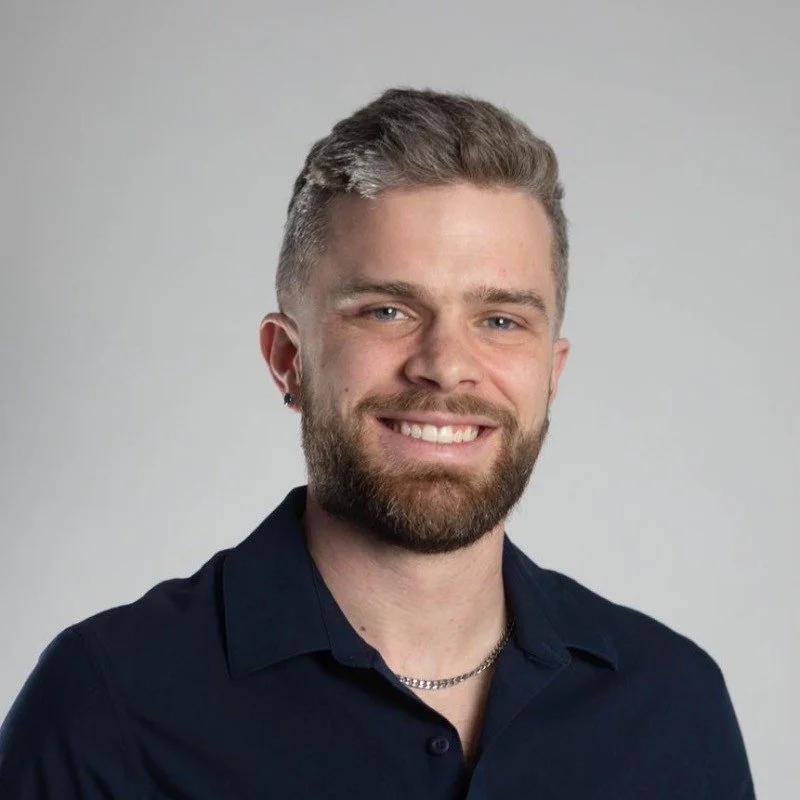
Michael Cork
Harvard Data Science Initiative
Michael Cork is a health scientist and the Founder and CEO of EmPower Analytics Group, an independent environmental health analytics firm. His work focuses on quantifying how emissions from large energy infrastructure — particularly fossil fuel generation supporting AI data centers — translate into measurable health and economic impacts for surrounding communities. Drawing on atmospheric dispersion modeling, EPA emissions data, and peer-reviewed exposure-response functions, his analyses have informed permitting decisions and community engagement across the country, with findings covered by the New York Times, Politico, and local outlets. He holds a PhD in Biostatistics from Harvard T.H. Chan School of Public Health, where he remains affiliated as a postdoctoral research fellow in the Dominici Lab.
-
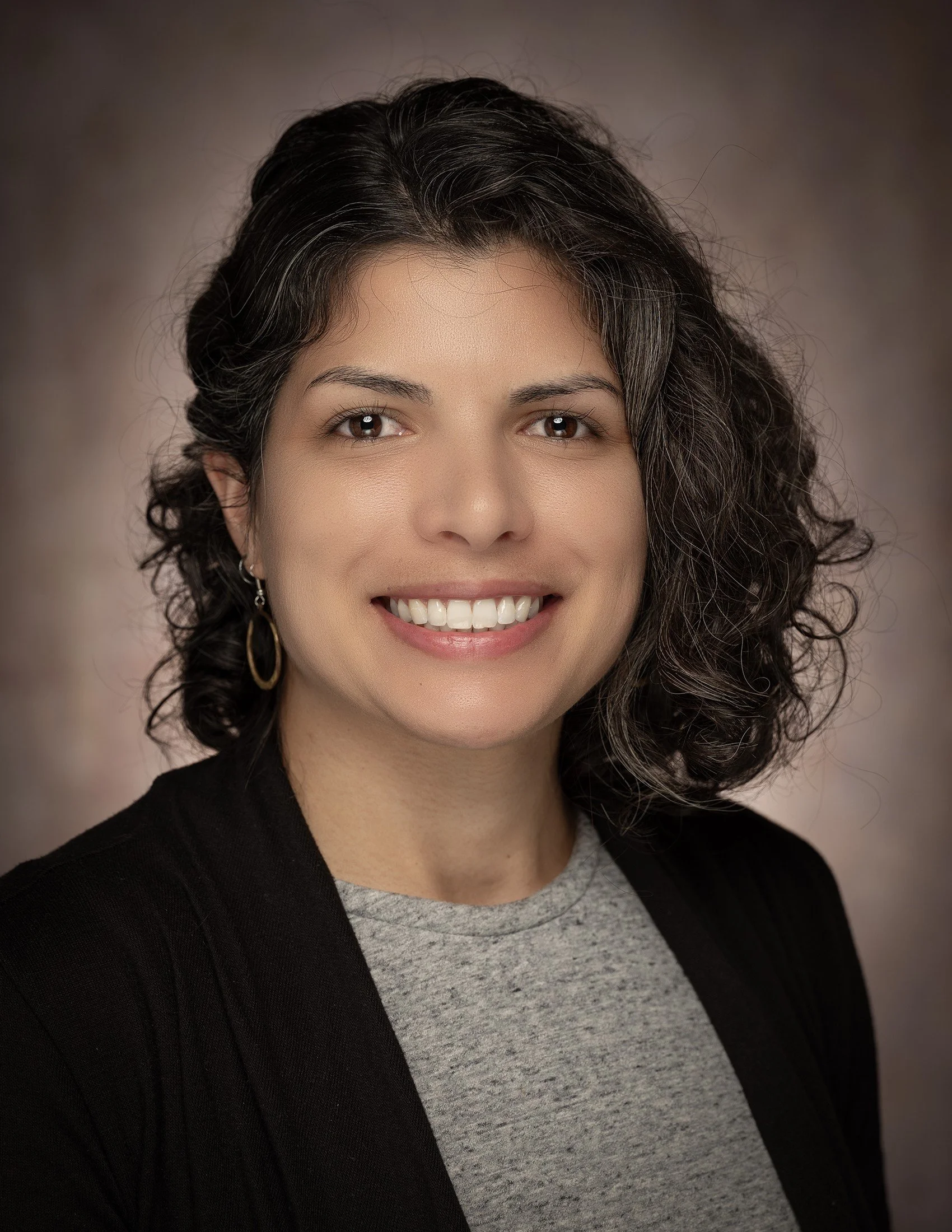
Monika Roy
Massachusetts Department of Conservation and Recreation (DCR)
Dr. Roy is the Senior Director of Environmental Justice at the Massachusetts Department of Conservation and Recreation (DCR), where she works to remove barriers to outdoor recreation, expand language access, and improve public engagement. Prior to this role, she was a Science & Technology Policy Fellow at the U.S. Department of Energy's Office of Energy Justice and Equity and worked on environmental justice related data collection, energy justice initiatives, and community benefit planning frameworks. Dr. Roy held a postdoctoral fellowship at UMass Lowell where she worked with members of governments, industry, and community groups on implementing safer chemical solutions to better protect public health and the environment. She earned both Master and Doctoral degrees in Public Health, Environmental Health Sciences, and her graduate work researched the health impacts of chemicals found in consumer products and as byproducts of industrial processes.
-
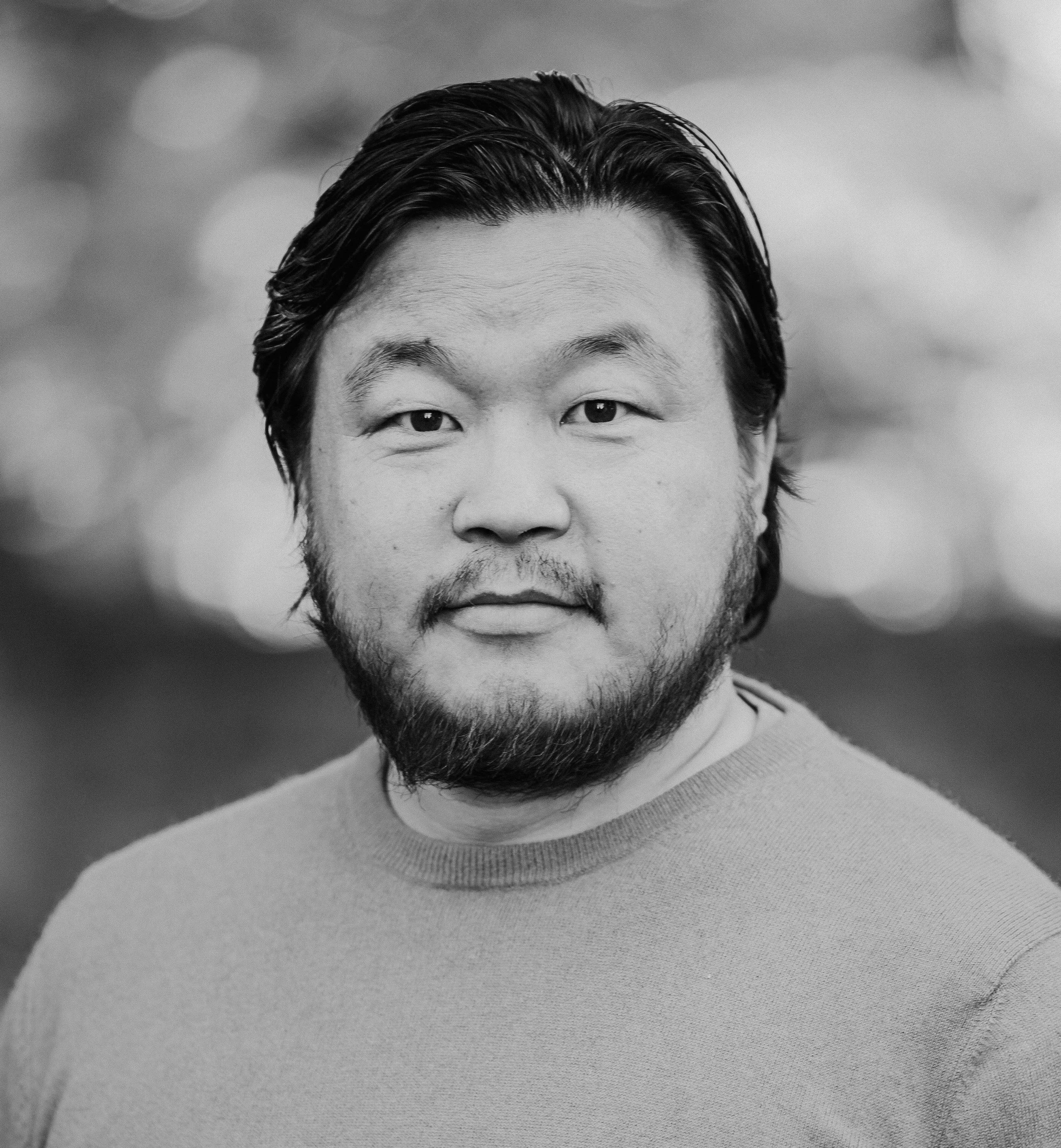
Munkh-Erdene Gantulga
University of Oxford
Munkh-Erdene Gantulga is a PhD candidate in Geography at the School of Geography and the Environment, University of Oxford. He earned his BA in Ethnology and MA in Social Anthropology from the Department of Social and Cultural Anthropology, National University of Mongolia. Additionally, he completed another MA in Development Studies, University of Melbourne.
Munkh-Erdene serves as the Executive Secretary of the Mongolian Anthropological Association. Prior to joining Oxford, he held the position of Senior Lecturer in the Department of Anthropology and Archaeology, National University of Mongolia.
His research interests encompass the social life of artisanal gold miners, known as ninja miners, as well as nationalism, cultural heritage, globalization, capitalism, development, and mining in Mongolia. Munkh-Erdene has conducted extensive fieldwork in several provinces of Mongolia and China. Based on his participant observation, he has published over 20 book chapters and articles at both the national and international levels. -

Nekai Eversole
Navajo Nation Department of Fish and Wildlife
I work to build healthier and adaptable Din4 communities through our Program’s initiatives: Education/Outreach, Food Sovereignty, Land Restoration, and Climate Pollution Reduction Planning. I am Din4-Ndee through my mother, and European settler descent through my father. My indigenous roots and educational background in Ecological concepts provide the focus of Traditional Dine Knowledge and Scientific methodology within our projects.
-
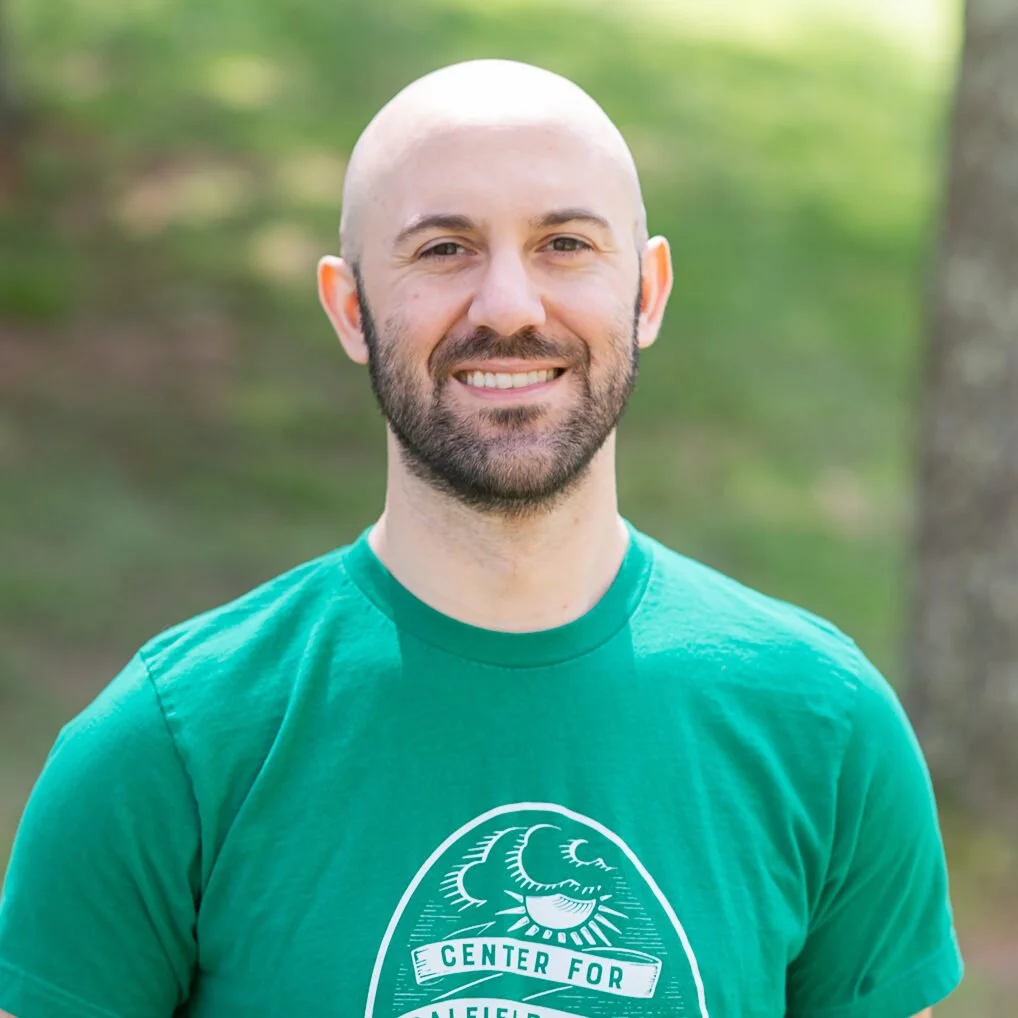
Nicholas Frank Hood
Center for Coalfield Justice
Nick Hood is CCJ's Senior Organizer. Nick and his family have lived, worked, and recreated in Washington County for their entire lives. He attended the University of Pittsburgh and earned his degree in Environmental Studies. Nick is passionate about the environment and his community, and hopes to see an increase in environmental protection to help ensure the health and well-being of his family, including a little boy of his own, his 4 nephews and 1 niece. As a part of his goals, he aims to educate and provide the community with the necessary knowledge and tools to combat pollution and corruption perpetuated by the large energy companies. When he is not working, he likes to play music, watch baseball and spend time with his family and friends.
-
Olivia Golden
UMass Extension
Olivia Golden is an Urban Agriculture Educator with UMass Extension, where she co-designs technical assistance programs to support urban growers across Massachusetts. Her passion for food justice and food systems was sparked while working at urban farms in Upstate New York. She has a background in urban planning, community composting, and urban agriculture education. When she's not working with urban growers, you can find Olivia doodling in her sketchbook, rollerblading on the Southwest Corridor, or trying (and sadly sometimes burning) new recipes.
-
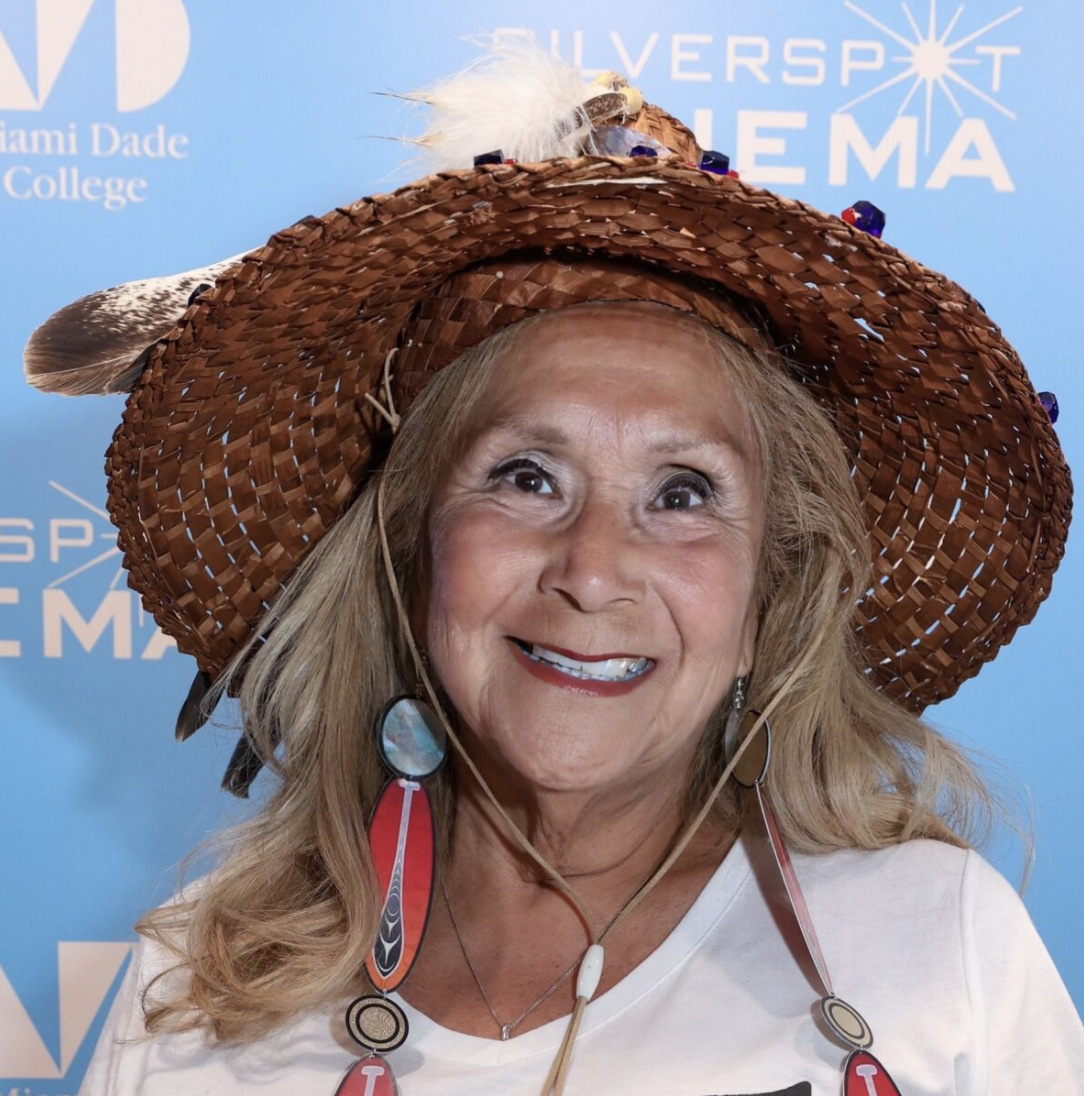
Raynell Morris
Children of the Setting Sun Productions
Squi-le-he-le (Raynell Morris), a mother, grandmother, Lhaq’temish matriarch, and enrolled Lummi tribal member, made history as the first Native American staffer appointed to the White House. Her diverse career includes roles as Events and Gatherings Producer and at Interim Director Storytelling, Research Initiatives for Children of the Setting Sun Productions, former board member of Friends of Toki, former Vice-President of Sacred Lands Conservancy (Sacred Sea), and Associate Director of Intergovernmental Affairs under President Clinton. Later, she served as Chief of Staff for the Chairman of Lummi Nation. As Director of Lummi Nation’s Sovereignty and Treaty Protection Office, Raynell a pivotal role in thwarting a proposal to construct North America’s coal port terminal on Lhaq’temish (Lummi) sacred ground.
An environmental, Rights of Nature and tribal sovereignty activist for over two decades, Raynell’s speaking engagements span Turtle Island (United States). Her work for Sk’aliCh’elh-tenaut (Toki/Tokitae), the renowned orca, is deeply rooted in ancestral guidance, scientific understanding, and cultural traditions, beliefs, and strategies. Her sacred mission is to safeguard Sk’aliCh’elh-tenaut’s Legacy, protect her family, restore the salmon, and restore and protect her ancestral home waters—the Salish Sea. -
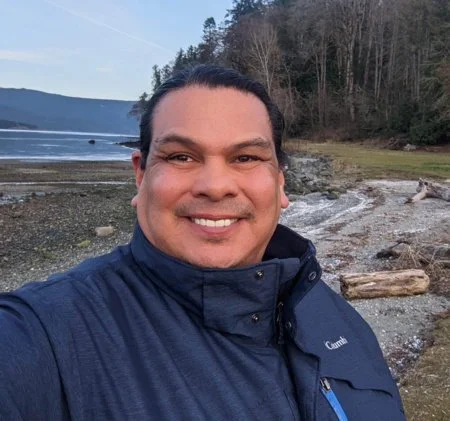
Rueben George
Sundance Chief; Tsleil-Waututh Nation (TWN)
Rueben George is Sundance Chief and a member of the Tsleil-Waututh Nation (TWN). After working as a family counsellor for twenty years, he became manager of the TWN’s Sacred Trust initiative to protect the unceded Tsleil-Waututh lands and waters from the proposed Trans Mountain Pipeline expansion. Over the past decade, he has travelled across the world and built alliances with Indigenous people fighting for water, land, and human rights, and has become an internationally renowned voice for such issues. Rueben has been adopted and made a Sun Dance Chief by two Lakota families, and incorporates his cultural and spiritual teachings in all aspects of his life and work, including his work as a consultant to All Nations Cannabis.
-
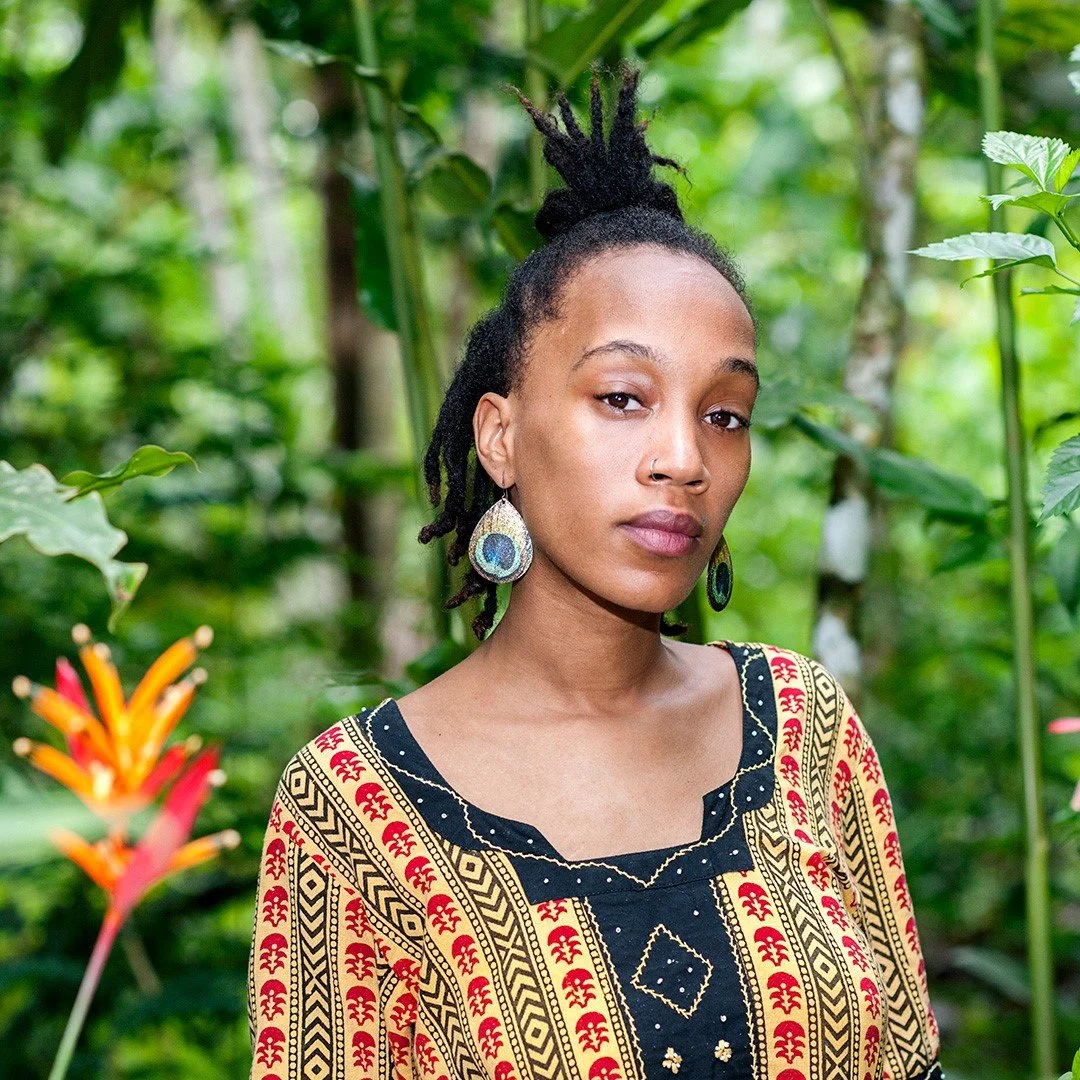
Sabrina Pilet-Jones
Haley House
Sabrina is assistant farm manager for the Urban Farming Institute (@ufiboston). She co-taught Juju Box: Sacred Plant Rituals of the African Diaspora, an herbal journey with plants of the African Diaspora, at Boston’s Herbstalk (@herbstalk) with her partner, Yoruba Practitioner Arirá Adééké (@seedofosun). “I live life through my passion for manifest health and wellness by spreading knowledge about food,” she says.
-
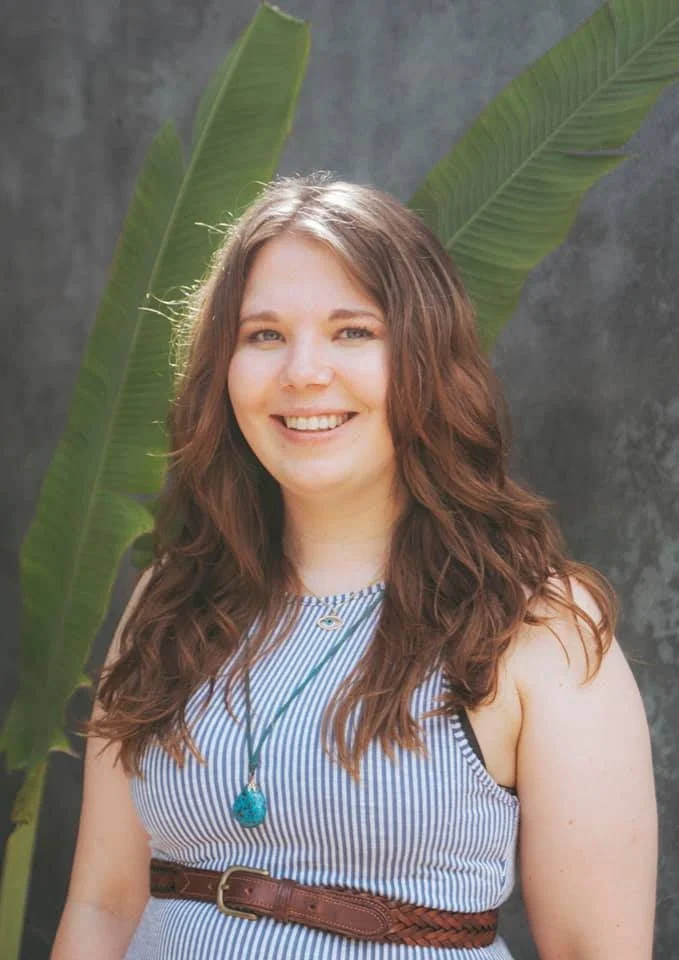
Sarah Sweeney
Center for Coalfield Justice
Sarah Sweeney (she/her) grew up in a rural area of Greene County, where she lived for most of her life, enjoying the natural beauty and other things a country lifestyle offers, such as foraging for morels, lots of hiking, fishing at popular lake and pond areas, and photographing wildlife. After moving out of the state for a few years in her early 20s, she returned to southwestern Pennsylvania, where she has since lived in Washington County. She has seen first-hand the way the extraction of fossil fuels has harmed not only the once lush wooded areas she called home as a child, but also how people have been harmed. In 2020, she began volunteering with the Center for Coalfield Justice and has continued to volunteer since then, as well as doing several art projects for the organization.
In early 2024, she joined the Center For Coalfield Justice as a fellow. She is eager to deepen her understanding of the communities CCJ serves, and be able to provide support to community members who have experienced hardships at the hands of the fossil fuel industry. -

Sophia Andrews Maison
Taproot Noire
Sophia Andrews (she/her) is the Network Coordinator for Taproot Noire, Taproot Earth's Network of frontline Black climate leaders across the Global Black Diaspora. Her background is in using the arts and creativity to organize and drive systems change. Prior to joining Taproot Earth, Sophia brought that lens to the Advocacy and Public Policy team at the Recording Academy / GRAMMYs, organizing music makers to engage with policy issues affecting the music community. She resides in Washington, D.C., and in her free time enjoys being outdoors, reading, and playing the guitar.
-
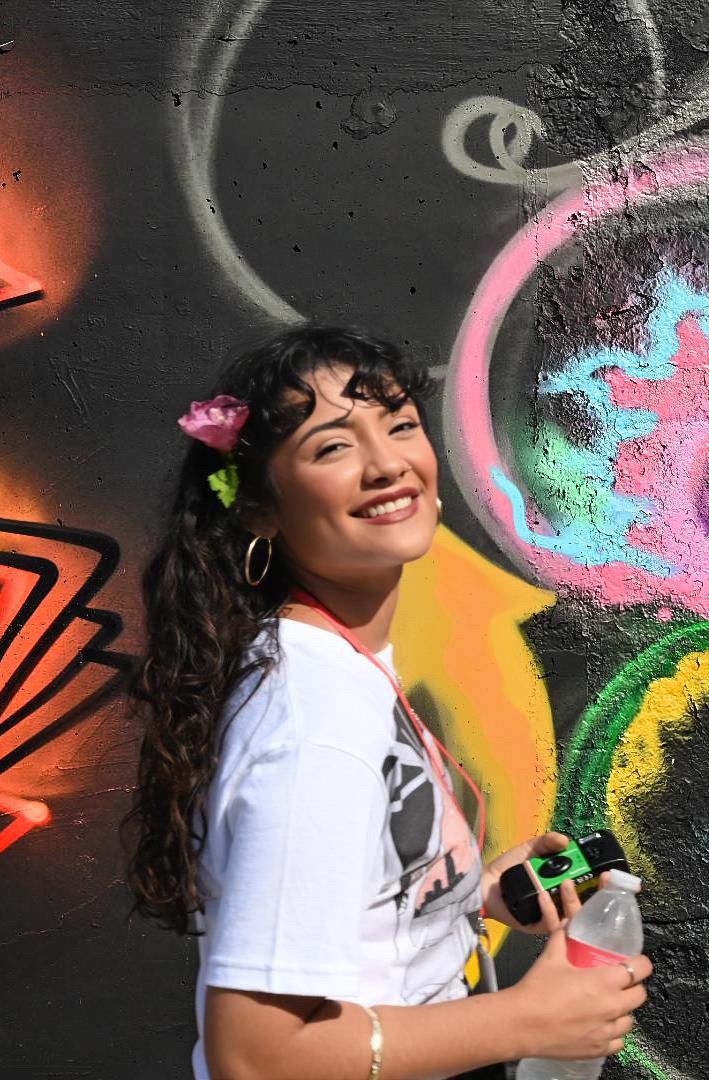
Trinity Amari Colón
Formerly Student Voice Committee, GWHS; SE Chicago Environmental Taskforce
Trinity Amari Colón is a community organizer and activist rooted in the Southeast Side of Chicago, a neighborhood with a rich history of environmental justice activism and resistance. As a student leader in the intergenerational Stop General Iron campaign, Trinity led Southeast youth in the fight against environmental racism in Chicago. She is a first-generation senior at Northwestern University studying Social Policy, Environmental Policy & Culture, and U.S. History. Trinity’s journey into youth activism is rooted in her learning experiences with educators inside and outside the classroom. Inspired by the relationship between environmental justice and education, Trinity will attend the Harvard Graduate School of Education to obtain her Master's in Education, focusing on Teaching and Teacher Leadership. She hopes to continue inspiring and empowering Southeast Side youth to see themselves as the critical social and political actors they truly are, in the environmental justice fight and beyond.
-
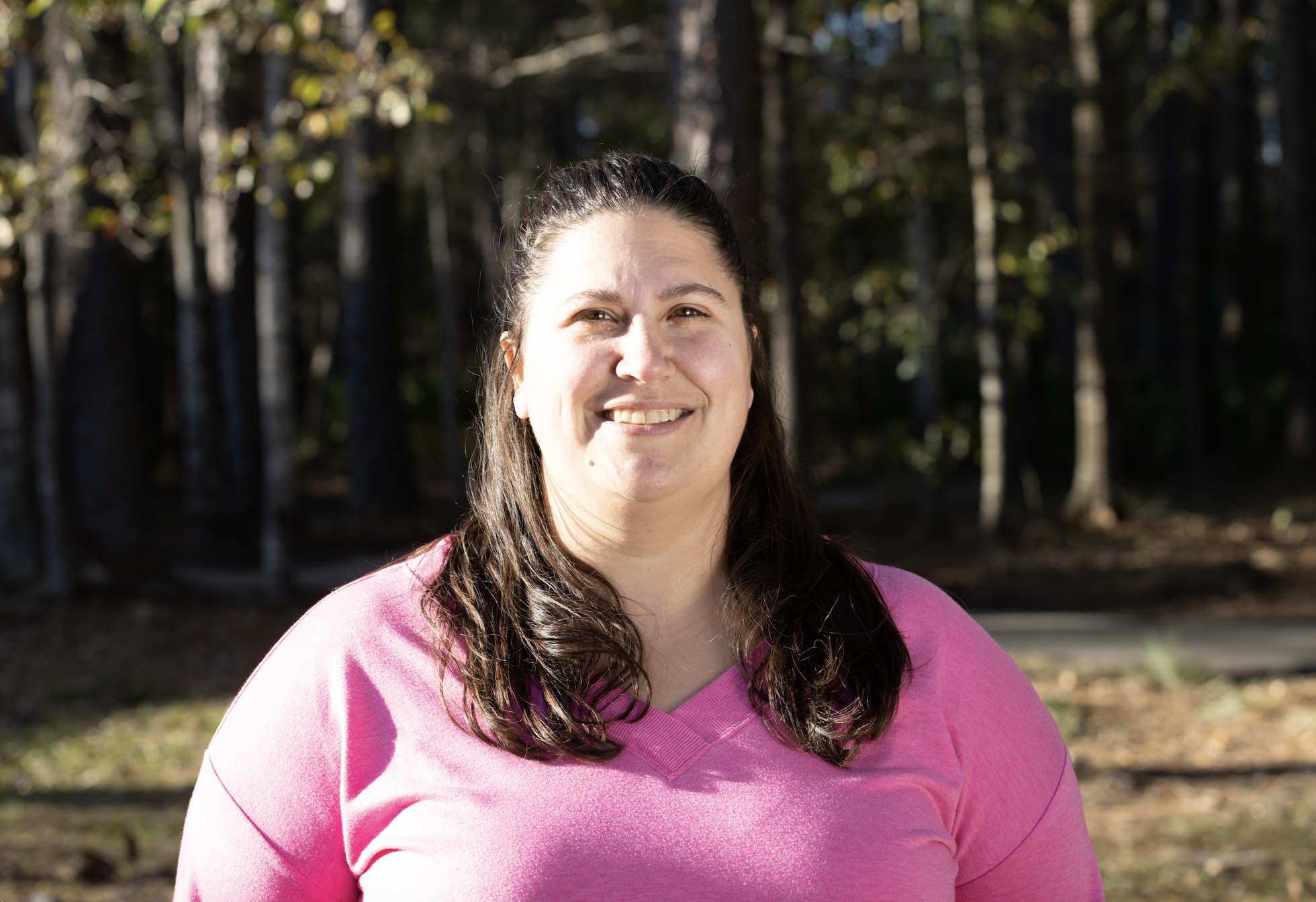
Veronica Coptis
Taproot Earth
Veronica Coptis is a rural organizer in Appalachia from Greene County, Pennsylvania. For the last nine years, her most important role has been raising two spirited children and instilling in them strong values to fight for everyone's freedom. For over 15 years, she has been organizing around the intersection of environmental/climate justice and economic justice. Veronica is currently the Senior Advisor with Taproot Earth, a frontline-rooted organization based in the Gulf South that works in Appalachia and amplifies solutions from the global Black diaspora. Taproot Earth invests in frontline communities, facilitates processes that build power and cultivates climate solutions advancing justice, democracy, climate reparations and community stewardship so we can all live, rest, and thrive in the places we love. In her early organizing Veronica worked with the Center for Coalfield Justice and the Mountain Watershed Association. She also owns Redneck Strategies LLC, which provides strategic guidance, facilitation, and training services. Additionally, she is the treasurer of the Rural People Rising Political Action Committee, creating independent political infrastructure to support everyday people taking the bold step to govern our communities
-

Walt Bonham
Formerly Richland Gro-Op
Walter Bonham is an Urban Farmer and a founding member of the Richland Gro-Op who works to bridge the gaps between food insecurities and agriculture awareness in Mansfield, Ohio. By combining his background in business and science management with his newfound love for farming, Bonham created The Food Lab LLC. Walt helps people to become more conscious about what they eat and where it comes from and addresses food insecurities by building hoop houses, forming community gardens, and offering catering and meal prep services to residents. Walt holds a B.S. in Business from Wittenberg University and an M.S. in Management from Ohio Dominican University.
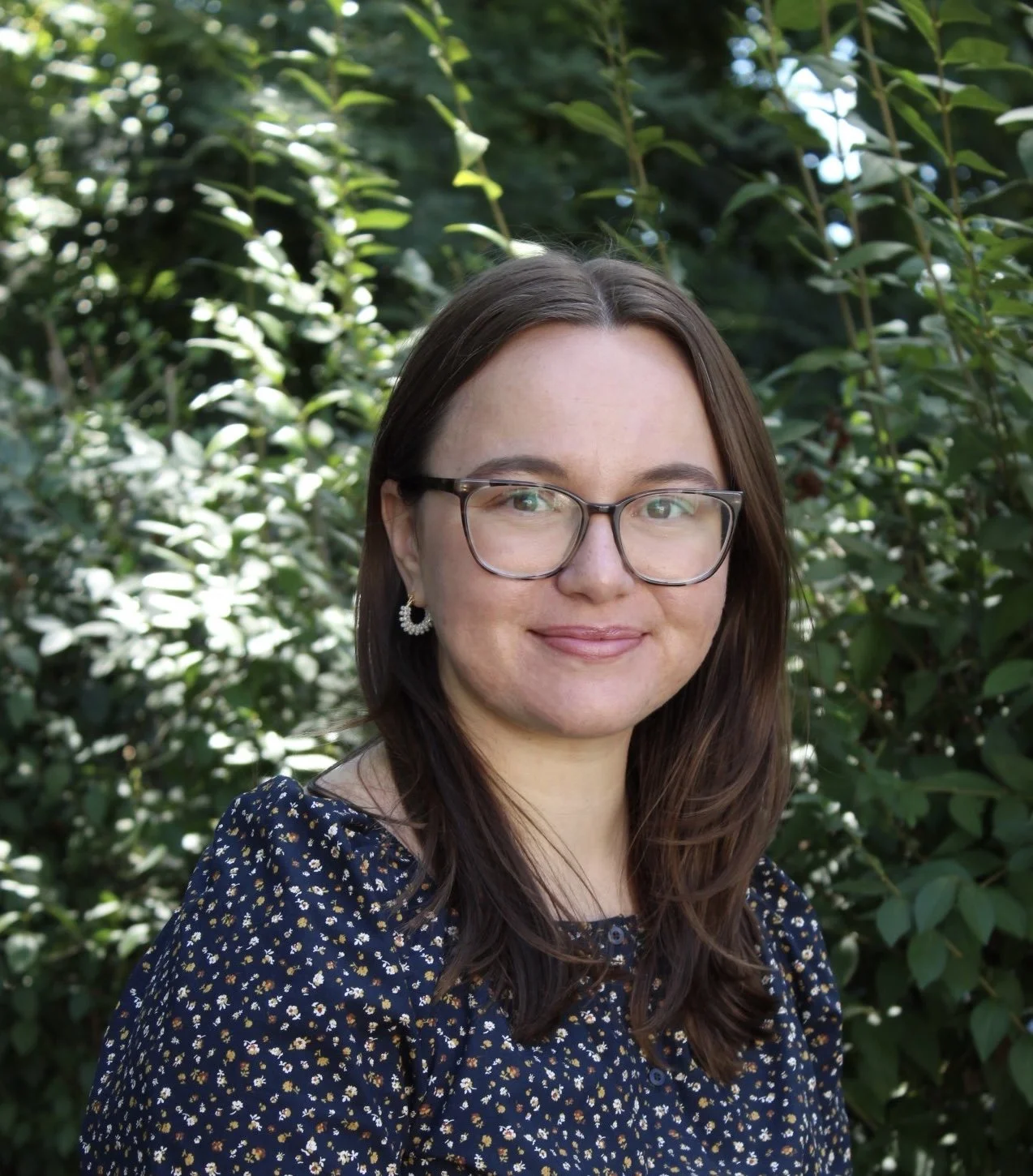
MIT Speakers
-

Alina Jugan
MIT Nuclear Science & Engineering
Alina Jugan is a first-year PhD student in Nuclear Science & Engineering doing research on simultaneous molten salt corrosion and irradiation of structural materials for nuclear energy applications. Alina is passionate about energy and the people it's made for. She is exploring how to integrate materials research with broader societal contexts and develop a career in people-centric technical innovation. In Mongolia, she followed the creation, supply, distribution, use, and disposal of coal briquettes to understand how people interact with them and what individuals or groups stand to gain or lose with a potential change in the resource. Outside of her adventures at MIT, she enjoys hiking, rock climbing, arts & crafts, short-form creative writing, tending her plants, and drinking tea.
-
Alvin Harvey
MIT School of Engineering
Alvin D. Harvey is an MIT-Boeing Distinguished Postdoctoral Fellow and a citizen of the Navajo (Diné) Nation who is focused on Indigenous research methodologies and methods in aeronautics engineering. Alvin’s doctoral thesis was shaped by several goals: co-creating and applying Diné and Indigenous pillars of knowledge in aeronautics and astronautics; developing Indigenous space ethics, astrophilosophy, astrobiology, and shared engineering methodology; and capacity building and pathfinding in systems and complex theory, curriculum design, and bioastronautics. A postdoctoral fellowship will support Alvin’s ongoing work to develop a technical and communicative craft that speaks to the potential academic, strategic, and innovative partnerships between the space community and Native American and Indigenous communities. His objectives include centering Indigenous systems theory and knowledge in sustainable human and satellite space systems engineering, developing the first Indigenous space conference, and training a research team for a space analog mission grounded in Indigenous methodologies. Alvin’s groundbreaking work has the potential to bring innovative practices and transformational knowledge to aerospace engineering and disciplines across science and engineering.
-
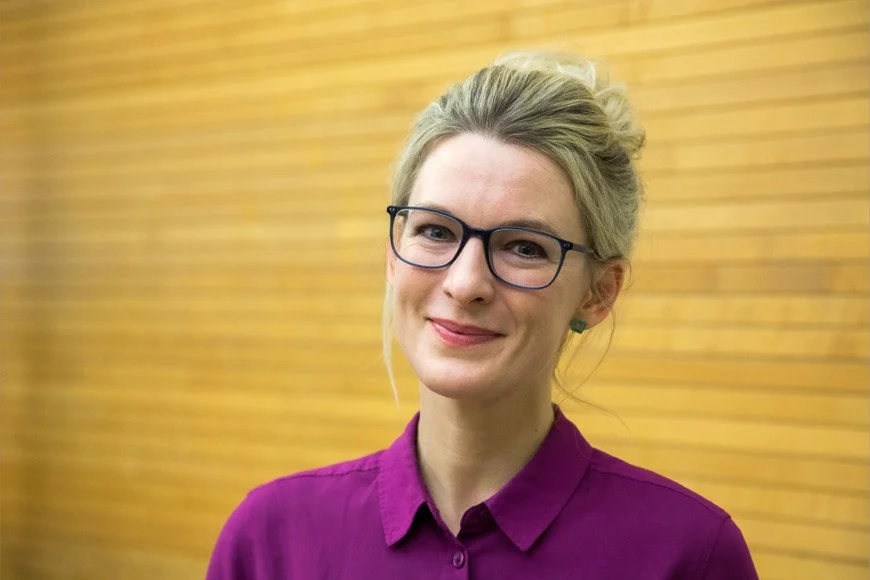
Amy Moran-Thomas
MIT Anthropology
Amy Moran-Thomas is Associate Professor of Anthropology at MIT. Her ethnographic research focuses on how health technologies and ecologies are designed and come to be materially embodied—often inequitably—by people in their ordinary lives. Prof. Moran-Thomas received her Ph.D. in Anthropology from Princeton University in 2012. Her writings have appeared in publications such as New England Journal of Medicine and Wired. Her first book, Traveling with Sugar: Chronicles of a Global Epidemic (University of California Press, 2019), offers an anthropological account of diabetes care technologies in use and the lives they shape in global perspective. The book received an award from the caregivers in Belize whose work it describes, as well as the Victor Turner Prize for Ethnographic Writing and the Wellcome Medal for Anthropology as Applied to Medical Problems. In 2024-26, Moran-Thomas is co-leading a climate and health humanities project funded by an ACLS Digital Seed Grant, “Sugar Atlas: Counter-Mapping Diabetes from the Caribbean,” together with co-PIs Prof. Tonya Haynes and Prof. Nicole Charles. Also working on a book about embodied histories of energy, Prof. Moran-Thomas is interested in how social perspectives on design can contribute to producing fairer health technologies. More broadly, her research explores the material culture of chronic conditions; embodied aspects of planetary health; intergenerational dilemmas of responsibility; and writing public anthropology.
-
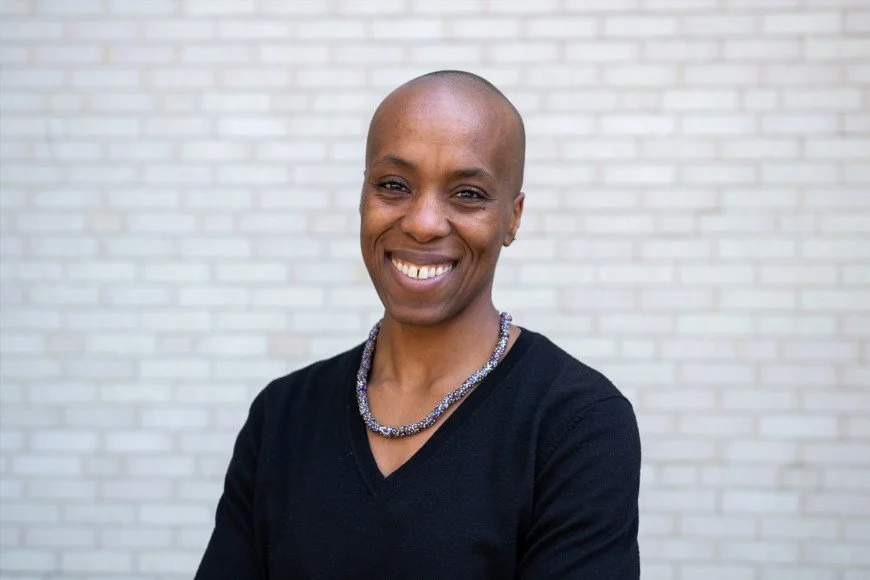
Amah Edoh
MIT Anthropology
Amah Edoh’s research examines how African and Afro-diasporic religious communities (specifically in the Togo-Benin corridor and in Brazil) are responding to the impact of climate change, and how they leverage their climate mitigation work to decolonize understandings of “science” and to re-legitimize indigenous knowledges and practices in their respective countries.
-
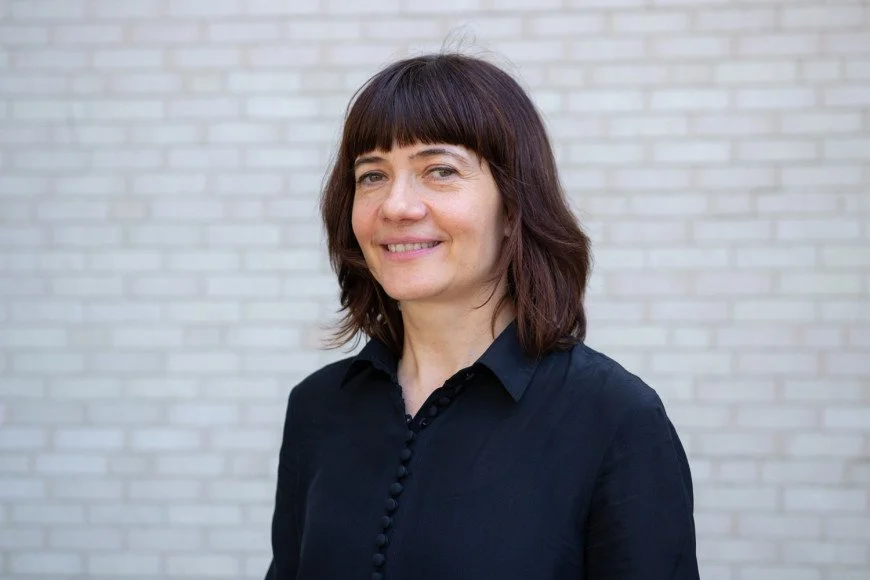
Bettina Stoetzer
MIT Anthropology
Bettina Stoetzer is Associate Professor of Anthropology at the Massachusetts Institute of Technology. Her research focuses on the intersections of ecology and social justice in Europe and North America. Bettina’s book, Ruderal City: Ecologies of Migration, Race, and Urban Nature (Duke University Press, 2022), draws on fieldwork with ecologists, migrant communities, nature enthusiasts and other Berlin residents to illustrate how human-environment relations have become a key register through which urban citizenship is articulated in contemporary Europe. Bettina's current research chronicles how different animal species (including wild boar, migratory birds and orcas) alter their mobility patterns in response to habitat destruction, changing weather patterns, and pollution, and asks about their mobilities' broader implications for social and environmental justice. Along with Postdoctoral Associate Briana Meier, she has developed a research and teaching partnership with the Indigenous-led organization Se’Si’Le and other environmental actors in the Pacific Northwest of the United States that highlights how biodiversity, climate change, and energy transitions become tied up with questions of social justice and struggles for Indigenous sovereignty. At MIT, Bettina teaches classes on urban life and ethnography, migration, environmental justice, and climate change.
-

Briana Meier
MIT Anthropology
Dr. Briana Meier is an ACLS Emerging Voices Postdoctoral Fellow in MIT Anthropology, where she is helping to organize the 2022 Living Climate Futures events. She is currently partnering with Se’Si’Le on an initiative to build place-based, cross-cultural solidarity across urban spaces and Indigenous territories. Through her work with Landscape for Humanity, Briana advances community-engaged research on participatory landscape design in transitional housing communities. Briana holds a Ph.D. in environmental sciences, studies, and policy from the University of Oregon. Her master's degree in urban and regional planning, urban design, and real estate is from Portland State University, and she has a B.A. in Environmental Studies and Philosophy from Cornell College.
-

Celestina Pint
MIT Materials Science and Engineering
Celestina Pint is a third-year undergraduate student studying Materials Science and Engineering at MIT. She is also minoring in Environment and Sustainability with a HASS concentration in International Development and Human Rights. Outside of academics, she is highly involved in MIT’s chapter of Engineers Without Borders and performs with MIT’s tap dance team, MITap. Celestina’s research interests broadly include materials for a just and sustainable energy transition, whether it be battery materials, nuclear materials, or green manufacturing. She has taken two Anthro-Engineering classes at MIT (Decarbonization at the Million-Person Scale and Green Steel, Green Jobs) and attended the most recent fieldwork trip to Mongolia.
-

Christine Walley
MIT Anthropology
Professor Christine Walley is the author of Rough Waters: Nature and Development in an East African Marine Park (Princeton, 2004) and Exit Zero: Family and Class in Post-Industrial Chicago (Chicago, 2013). She is working with the Southeast Chicago Historical Museum, filmmaker Chris Boebel, and web designer and artist Jeff Soyk to create an interactive archive and storytelling website that uses objects saved by Southeast Chicago residents and the stories they told about them to explore what it means to be “working class” in the United States. The website is at sechicagohistory.org. At MIT, she teaches graduate and undergraduate courses on environmental struggles.
-
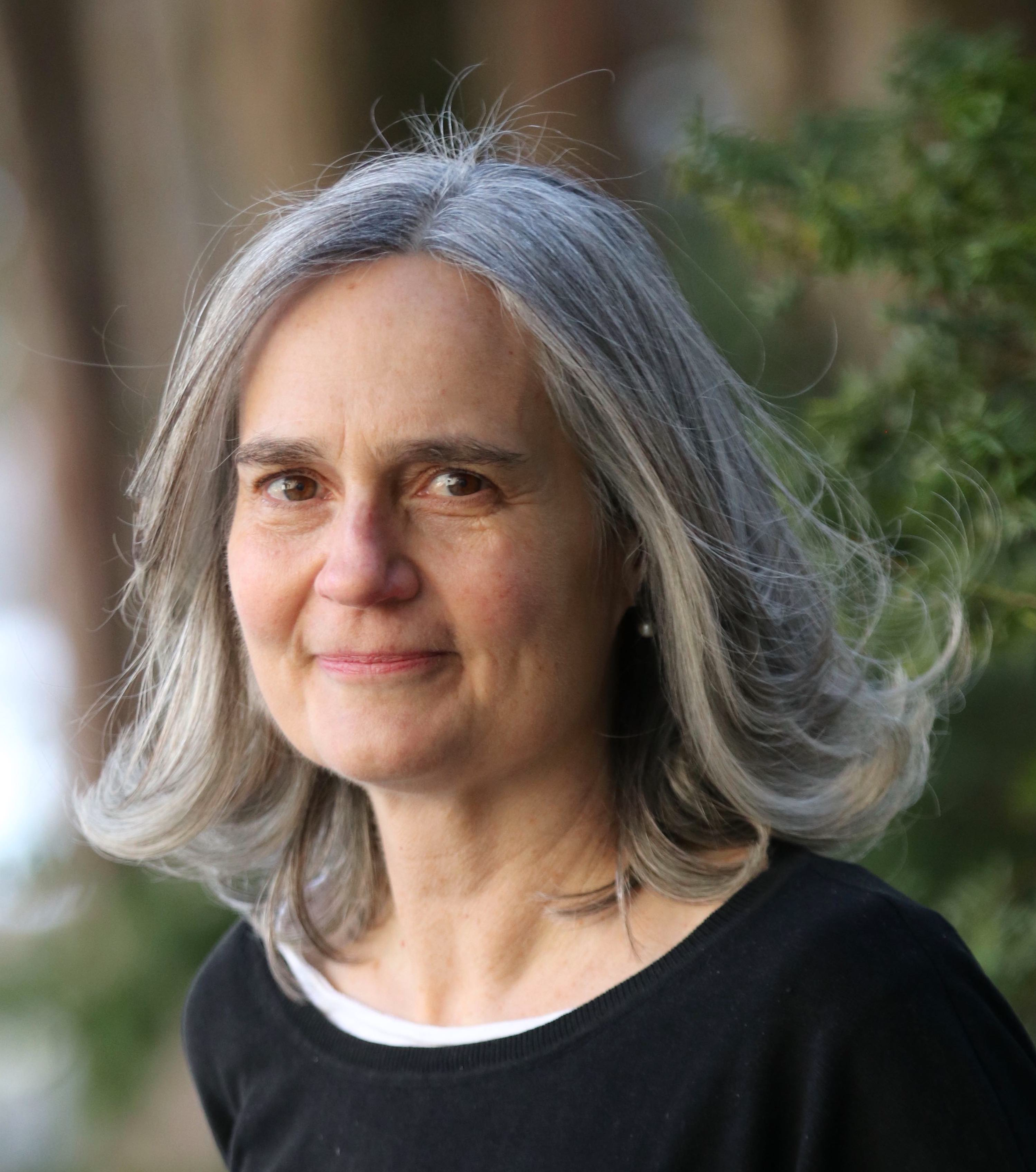
Heather Paxson
MIT Anthropology
Heather Paxson is William R. Kenan, Jr. Professor of Anthropology and Associate Dean for Faculty in the School of Humanities, Arts, and Social Sciences at MIT. She is the author of Making Modern Mothers: Ethics and Family Planning in Urban Greece (University of California Press, 2004) and The Life of Cheese: Crafting Food and Value in America (University of California Press, 2013), and the editor of Eating beside Ourselves: Thresholds of Foods and Bodies (Duke University Press, 2023). After serving as Area Editor for the James Beard Award-winning Oxford Companion to Cheese, she co-edited Cultural Anthropology from 2018-2022. Her current work concerns the practical and semiotic work of moving perishable foods across international borders.
-
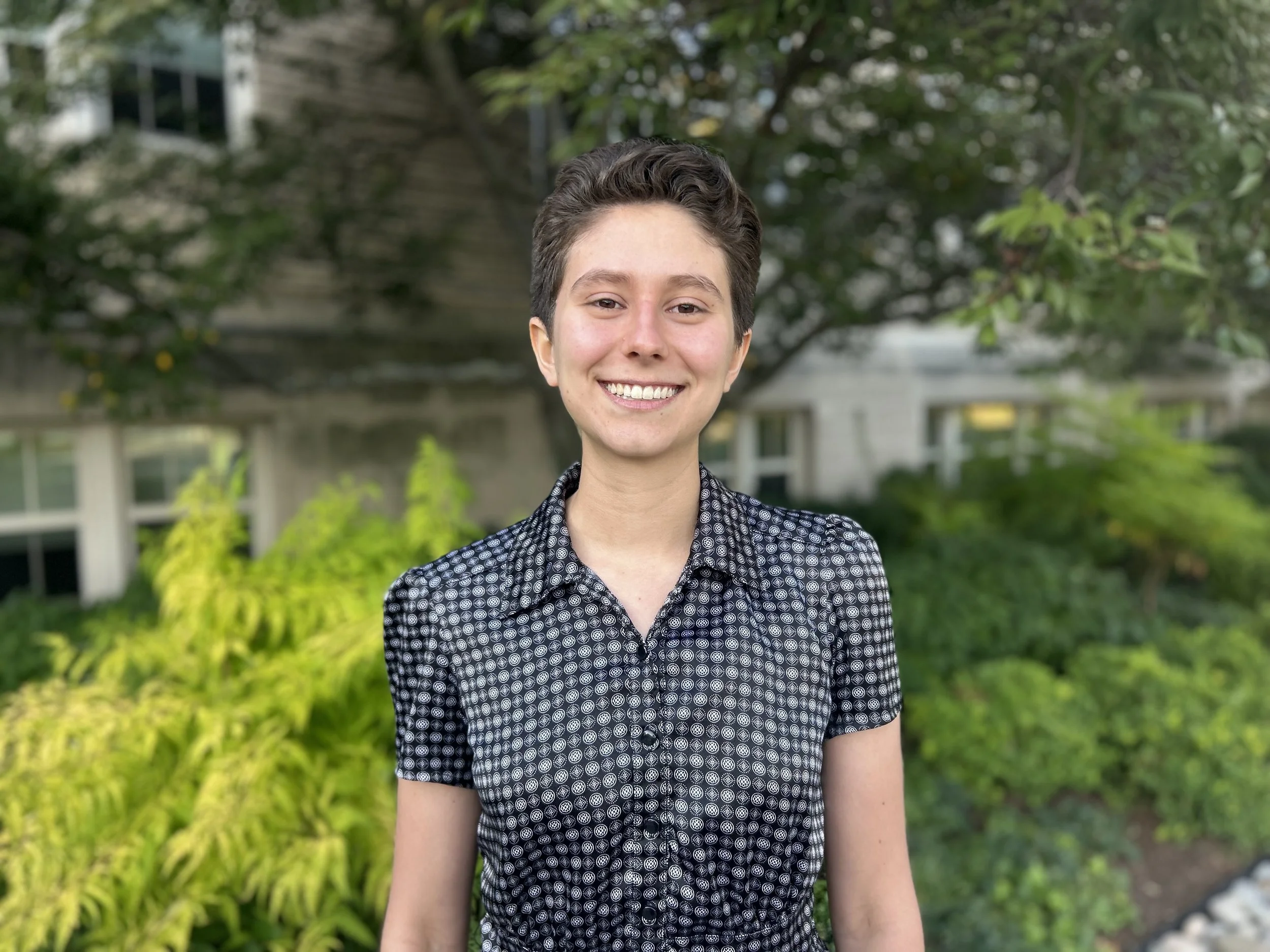
Iselle Barrios
MIT Anthropology
Iselle is a technical associate in the anthropology department at MIT, whose work focuses on exploring the ways that engineers and anthropologists can collaborate across disciplinary differences to better understand and solve problems. She has previously conducted research as an undergraduate about renewable energy siting and incentive policies. Iselle received a bachelor’s degree in engineering from MIT.
-
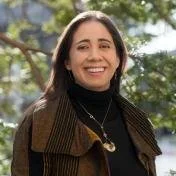
Janelle Knox-Hayes
MIT Department of Urban Studies and Planning
Janelle Knox-Hayes is the Lister Brothers Professor of Economic Geography and Planning in the Department of Urban Studies and Planning. She holds a visiting research fellowship at the Smith School of Enterprise and the Environment at Oxford University. Her research focuses on the ways in which social and environmental systems are governed under changing temporal and spatial scales as a consequence of globalization. She has studied the political and economic interface of financial markets and environmental systems and how individuals and organizations plan and make decisions under conditions of socio-economic uncertainty. Her latest project examines how social values shape sustainable development. Janelle has been the recipient of an SSRC Abe Fellowship for study of environmental finance in the Asia-Pacific and a Fulbright Fellowship for study of sustainable decision-making in Iceland. Janelle is the author of a number of peer-reviewed works in prestigious journals and presses. She serves as an editor of the Cambridge Journal of Regions, Economy and Society.
-

Jared Bryan
MIT Department of Earth, Atmospheric and Planetary Sciences
Jared Bryan is a Research Specialist in the Department of Earth, Atmospheric and Planetary Sciences at MIT. He earned his PhD in geophysics at MIT and bachelor’s degrees in physics and geology from Utah State University. He is a seismologist who studies how the Earth’s crust changes over time in fault zones, volcanoes, and regions affected by energy extraction. In western Pennsylvania, he works with community partners to detect earthquakes associated with oil and gas production. His work is motivated by the idea that new measurements and accessible technology can connect fundamental geophysics with questions of environmental risk and community-centered science.
-
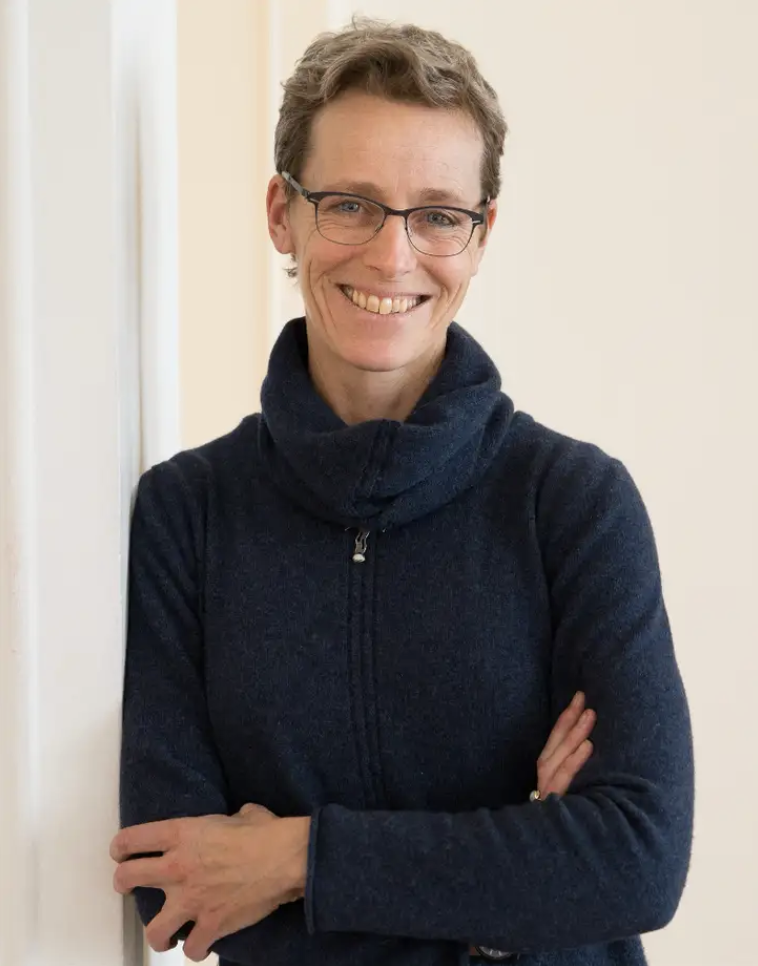
Kate Brown
MIT History
Kate Brown is the Thomas M. Siebel Distinguished Professor in the History of Science at the Massachusetts Institute of Technology. She is the author of several prize-winning histories, including Plutopia: Nuclear Families in Atomic Cities and the Great Soviet and American Plutonium Disasters (Oxford 2013) and A Biography of No Place: From Ethnic Borderland to Soviet Heartland (Harvard 2004). Manual for Survival: A Chernobyl Guide to the Future was published 2019 by Norton (US), Penguin Lane (UK), translated into seven languages, won the Marshall Shulman and Reginald Zelnik Prizes for the best book in East European History, plus the Silver Medal for Laura Shannon Book Prize. It was also a finalist for the 2020 National Book Critics Circle Award, the Pushkin House Award and the Ryszard Kapuściński Award for Literary Reportage. Brown was a Guggenheim Fellow in 2009, a Carnegie Fellow and winner of the American Academy’s Berlin Prize in 2016. Her latest book, Tiny Gardens Everywhere: The Past and Present of Urban Self-Provisioning was published by Norton in February 2026. Brown’s work on Tiny Gardens has been supported by fellowships from the National Endowment for the Humanities and the Netherlands Institute for Advanced Studies. She has published a short segments from this work in the New Yorker, Mother Jones and Lithub.
-
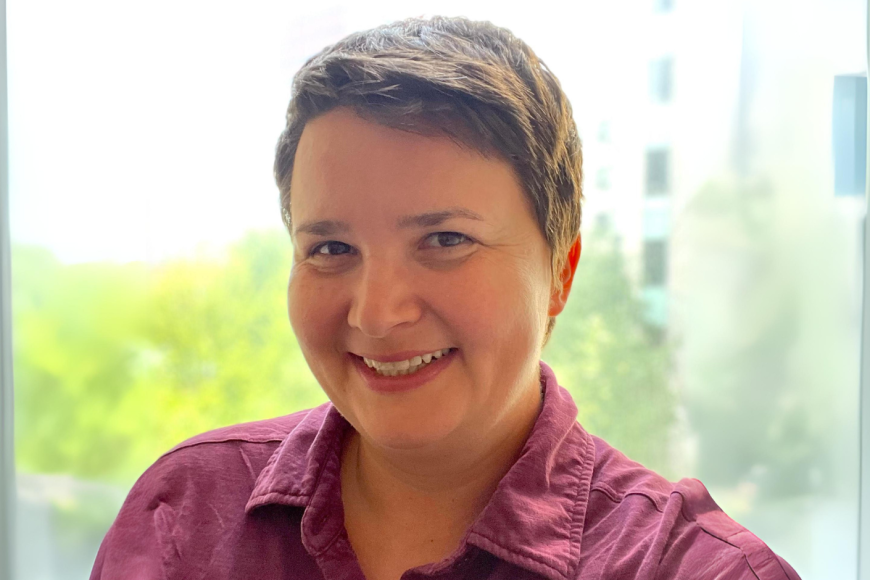
Laura Frye-Levine
MIT Anthropology
Laura Frye-Levine is an environmental sociologist who studies sustainability knowledge work. She engages in both traditional academic research and in the practice of interdisciplinary collaboration. This work is informed by her formal training in both social science and natural science, as well as her time spent as a practitioner of sustainable development with local people who are the experts of their own needs and interests.
-
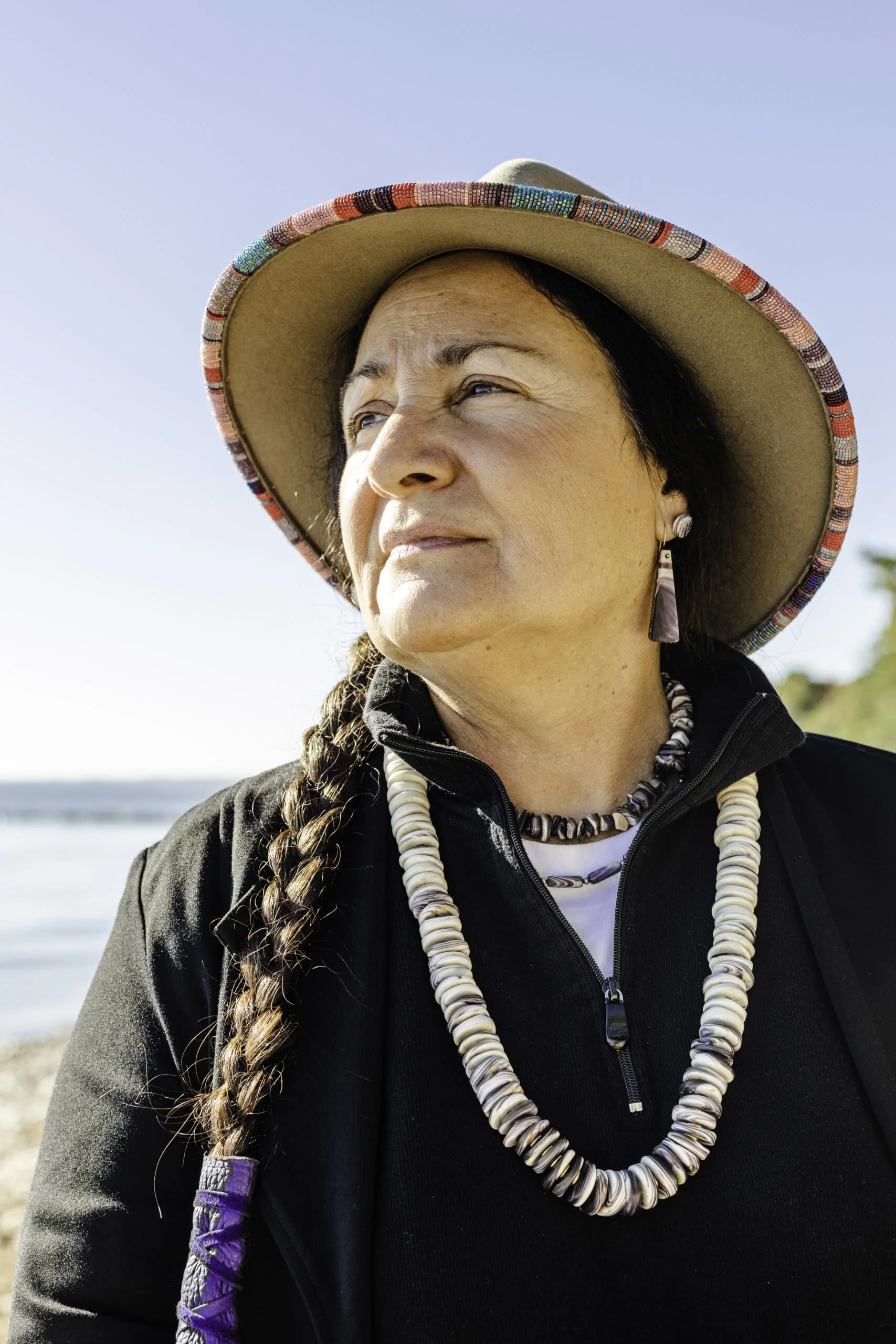
Leslie Jonas
MIT Anthropology; Mashpee Wampanoag Tribe
Leslie is an Elder Eel Clan member of the Mashpee Wampanoag Tribe. She holds a BA in Mass Comm & TV Production from Emerson College, an MS in Community Economic Dev, and is certified in DEI from Cornell U. She is an experienced planning strategist with a demonstrated history of working in media, higher ed, tribal govts, and environmental non-profits. Her work has centered on activism, Indigenous land and water conservation, climate change, cultural preservation of lifeways, and environmental justice. As a founding board officer, Leslie spent the past 13 yrs helping to build the first Indigenous land conservation group in this region, the Native Land Conservancy.
-
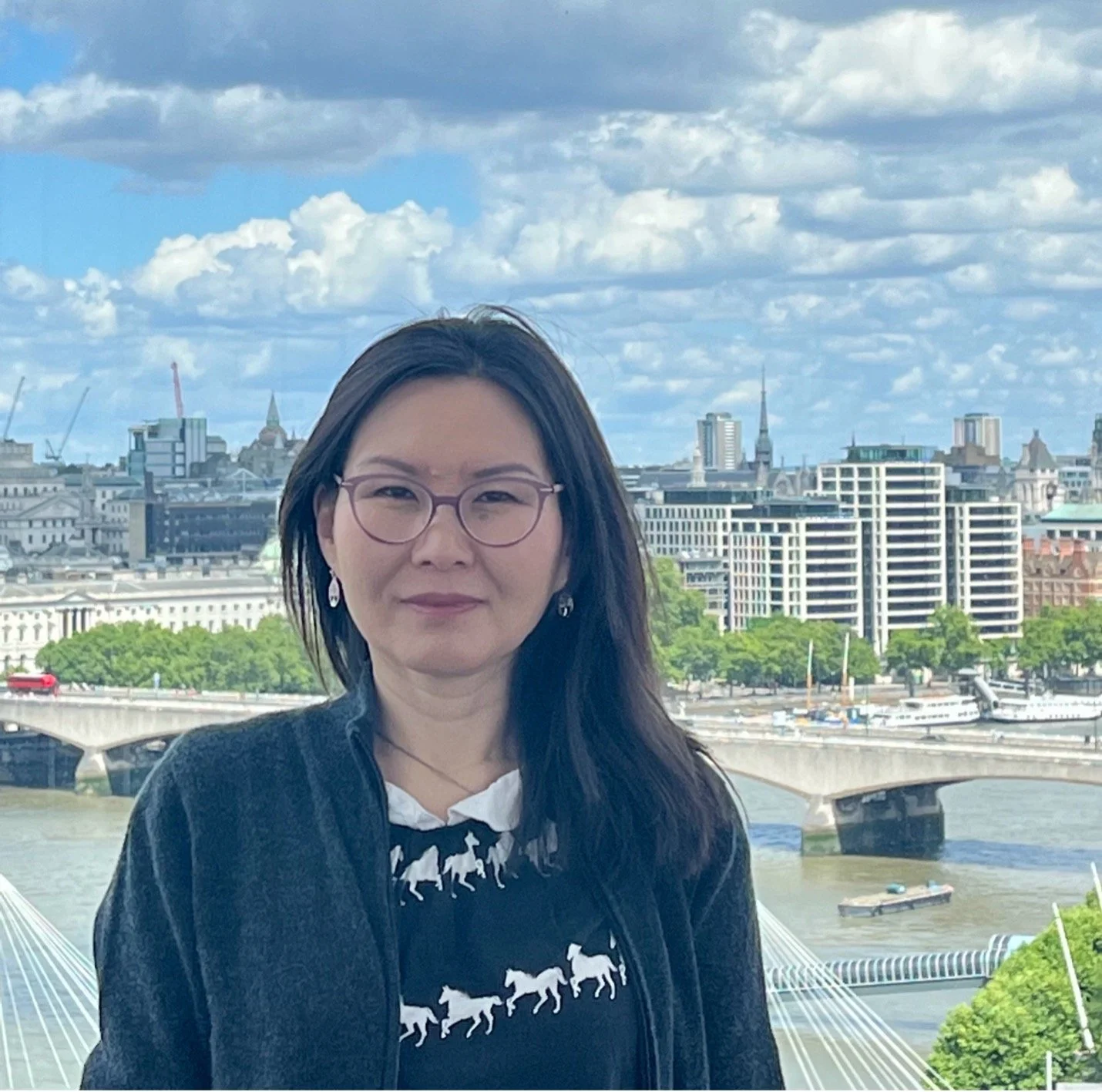
Manduhai Buyandelger
MIT Anthropology
Manduhai Buyandelger is an anthropologist specializing in religion, gender, and politics, with regional expertise in Mongolia. Her early work explores how shamanic practices have responded to the repercussions of more recent neoliberal “shock therapy,” state socialism, and conversion to Buddhism in Mongolia as well as colonial impositions from Tsarist Russia in the past. Her book Tragic Spirits: Shamanism, Gender, and Memory in Contemporary Mongolia (University of Chicago Press, 2013) won the 2014 Francis L.K. Hsu Book Prize from the Society of East Asian Anthropology and was shortlisted as one of the top five social science books on Asia by the International Convention of Asia Scholars (ICAS) in 2015.
Her second book, A Thousand Steps to the Parliament: Constructing Electable Women in Mongolia (University of Chicago Press, 2022), turns to a broader national stage, examining electoral politics and analyzing the experiences of female candidates running for parliamentary office in democratic elections. It won the 2022 Mongolian Anthropology Association Best Book Prize and the Mongolian Writers Association’s 2023 Golden Quill Pen Award for the best book addressing human rights issues.
Currently, she is researching animal rescue and energy transition in Mongolia and exploring how to rethink the concept of culture in the age of artificial intelligence. -
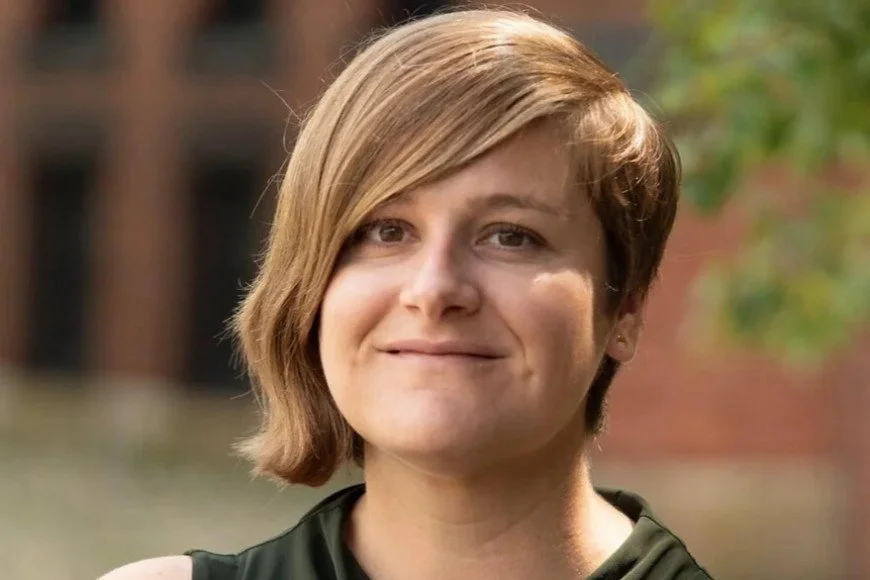
Michaela Thompson
MIT Anthropology
Michaela Thompson is an environmental historian, sustainability scientist, and STS scholar. Her work is strongly interdisciplinary, focusing on the complex dynamics of social-environmental systems, particularly human interactions with marine spaces. Her research has examined such diverse subjects as fisheries management in Alaska, Canadian shellfish aquaculture, and shark attack mitigation in the U.S. and South Africa. Her forthcoming book, Shadows in the Water: Sharks and People in the 20th Century and Beyond (UNC Press), explores the relationship between sharks and humans from the midcentury to today.
-
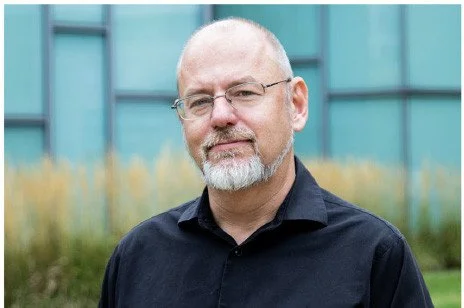
Stefan Helmreich
MIT Anthropology
Stefan Helmreich is an anthropologist who studies how scientists in oceanography, biology, acoustics, and computer science define and theorize their objects of study, particularly as these objects — waves, life, sound, code — reach their conceptual limits. A Book of Waves (Duke University Press, 2023) details how scientists at sea and in the lab monitor and model ocean waves, seeking to capture in technical language these forces of nature at once periodic and irreversible, wild and pacific, ephemeral and eternal. The book includes reflections on waves in mythology, surf culture, feminist and queer theory, film, Indigenous Pacific activisms, Black Atlantic history, and cosmology. Helmreich’s previous ethnography, Alien Ocean: Anthropological Voyages in Microbial Seas (University of California Press, 2009), is a study of marine biologists working in realms usually out of sight and reach: the microscopic world, the deep sea, and oceans outside national sovereignty. Winner of the 2017 J.I. Staley Prize from the School of Advanced Research, the 2012 Rachel Carson Book Prize from the Society for Social Studies of Science, the 2010 Senior Book Prize from the American Ethnological Society, and the 2010 Gregory Bateson Book Prize from Society for Cultural Anthropology, the book charts how marine microbes are entangled with debates about the origin of life, climate change, property in the ocean commons, and the possibility of life on other worlds. An earlier book, Silicon Second Nature: Culturing Artificial Life in a Digital World (University of California Press, 1998) is an ethnography of computer modeling in the life sciences. It won the 2000 Diana Forsythe Book Prize from the American Anthropological Association. Sounding the Limits of Life: Essays in the Anthropology of Biology and Beyond (Princeton University Press, 2016) is a collection of essays that asks after changing definitions of life, water, and sound (and features a soundtrack) and won the 2016 Michelle Kendrick Book Prize from the Society for Literature, Science & the Arts. What Is Life?, co-edited with Natasha Myers, Sophia Roosth, and Michael Rossi, is an art+science book that reproduces pages from key texts in the history of biology, interleaving these with essays that ask what the category of “life” has meant to biologists. Helmreich received his PhD in Anthropology from Stanford University and prior to coming to MIT held postdoctoral fellowships at Cornell, Rutgers, and NYU. In 2018, he received a Guggenheim Fellowship. His essays have appeared in Critical Inquiry, Representations, American Anthropologist, Cabinet, The Wire, Women’s Studies Quarterly, and Public Culture.
-

Susy Jones
MIT Office of Sustainability
Susy Jones is Senior Sustainability Project Manager in the Office of Sustainability at MIT, where she works closely with administrative staff, faculty, students, and community members to integrate sustainability into the Institute. Before her arrival at MIT, she was a Program Manager at Northeast Energy Efficiency Partnerships in Lexington, Mass., where she worked to advance regional, state, and local energy efficiency policies. Susy has an M.A. in Urban & Environmental Planning & Policy from Tufts University and a B.A. in English from Bryn Mawr College.
-

Temuulen Enkhbat
MIT School of Architecture + Planning
Temuulen Enkhbat is an urban planner and practitioner. She works directly with residents and organizations to find innovative solutions to emerging urban and social challenges through community engagement and youth participation. Before graduate school, she worked as a Program Lead at GerHub, a social innovation nonprofit based in Ulaanbaatar, Mongolia, working on social and environmental impact projects, including renewable energy transition, community spaces, and informal settlement development. She co-founded the Ulaanbaatar Oasis project to increase green spaces in Ulaanbaatar. She got selected as one of the 50 participants from the Global Shapers Community to participate and amplify youth voices for the World Economic Forum Annual Meeting 2024. Additionally, she was selected as a fellow for the Urban Emerging Leaders Program from Salzburg Global Seminar and World Urban Parks and LeadNext Fellowship Program by the Asia Foundation.